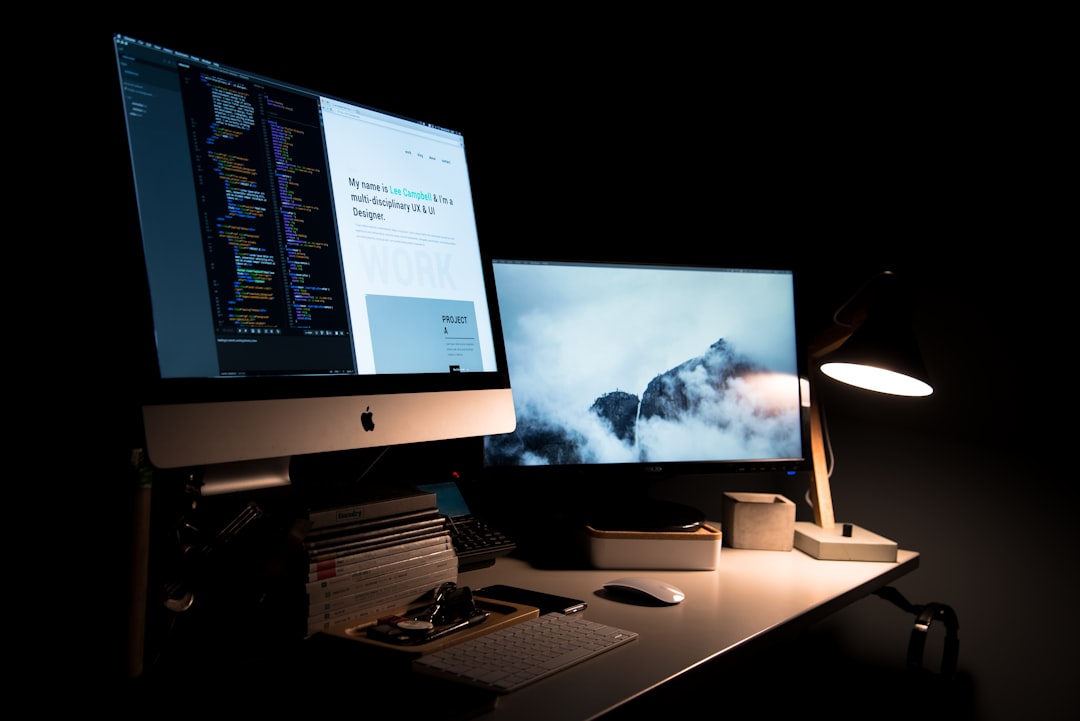
Minimalist backgrounds are easy to underestimate. A plain-looking backdrop can make a slide deck feel sharper, a landing page feel calmer, and a social post feel more deliberate—if it is built with enough structure to support the content on top of it. This guide collects practical minimalist background ideas for presentations, websites, and social posts, then shows how to choose the right one by format, contrast, texture, and visual weight. If you want clean design backgrounds that stay useful across multiple projects, this is a framework you can return to whenever your platform, screen size, or style direction changes.
Overview
Minimalist backgrounds are not simply empty backgrounds. The most effective ones do a specific job: they reduce distraction, create hierarchy, and give text or imagery enough room to breathe. In other words, a strong minimalist background is edited, not stripped down at random.
That matters because each format asks for a different kind of restraint. A presentation background has to support reading from a distance. A clean website background has to hold up across many screen sizes. A simple social media background has to catch attention in a crowded feed without turning into noise.
When people search for minimalist backgrounds or minimal background ideas, they are often looking for one of five things:
- a neutral base for text-heavy content
- a polished background image that feels modern but not cold
- a reusable system that works across slides, posts, and pages
- a subtle texture or gradient that adds depth without clutter
- a commercially usable asset that saves time
The key is to stop thinking in terms of “plain” versus “decorative” and start thinking in terms of visual load. A minimalist background can still include gradients, paper texture backgrounds, abstract backgrounds, or geometric structure. What makes it minimalist is that every element serves clarity.
As a working definition, a minimalist background usually has most of these traits:
- limited color palette
- obvious focal area for text or subject matter
- low to moderate contrast in non-essential areas
- simple shapes or restrained texture backgrounds
- consistent spacing and alignment cues
- enough negative space to scale across formats
If you need broader inspiration for page-specific design backgrounds, see Best Website Background Images by Industry and Page Type. If your minimalist style depends more on color than layout, Gradient Background Trends: Color Combinations Designers Still Use is a helpful companion.
Core framework
Use this four-part framework to choose or build minimalist backgrounds that work in real projects, not just moodboards.
1. Start with the content layer, not the background
Before choosing background images, define what will sit on top: headline, body text, chart, product photo, speaker video, or quote. The background should support that layer.
Ask:
- Will the foreground be mostly text, image, or both?
- Does the content need left alignment, centered balance, or a split layout?
- Will the background be reused in multiple aspect ratios?
For example, presentation backgrounds minimalist in style usually need a calm field behind large type, with enough contrast to remain readable on projectors and laptops. By contrast, a website hero may need a background for graphic design that guides the eye toward a call to action without flattening the rest of the page.
2. Choose the right minimalist background type
Most successful minimal background ideas fall into a few repeatable categories:
- Flat solid color: best for maximum clarity, especially presentations, pitch decks, and quote graphics.
- Soft gradient background: adds depth without introducing objects or noise.
- Subtle paper texture: useful when a flat fill feels sterile and you want warmth.
- Low-contrast abstract shape: gives structure to a layout while keeping the composition quiet.
- Fine grid or line system: ideal for tech, editorial, and modern brand systems.
- Minimal geometric pattern: works for social templates if the scale is generous and repetition is restrained.
Not every minimalist background needs to be purely abstract. A blurred photo, faint marble texture, or washed-out surface can still work if details do not compete with the main message. The standard is not “no detail”; it is “no distraction.”
If you want tactile depth, subtle paper-based texture backgrounds are often more forgiving than shiny digital effects. See Paper Texture Backgrounds: Which Finish Works Best for Each Design Project for a useful comparison.
3. Control contrast in three zones
A practical way to evaluate a minimalist background is to divide it into three contrast zones:
- Content zone: where text or the main subject sits. Keep this calm and readable.
- Support zone: areas around the content that can add slight depth or texture.
- Edge zone: margins and outer areas where stronger gradients or abstract forms can live without affecting readability.
This simple method prevents a common problem: backgrounds that look elegant on their own but become difficult once real content is placed on top.
As a rule of thumb, if your eye keeps drifting to the background instead of the title, the composition needs to be simplified, softened, or repositioned.
4. Build for reuse across formats
A good background download becomes much more valuable when it works in more than one place. That means designing or selecting assets with flexible cropping in mind.
To make minimalist backgrounds reusable:
- avoid placing critical visual detail near the edges
- keep the main quiet area large enough for different aspect ratios
- use textures and gradients that survive cropping
- test light and dark text options
- prepare alternate exports for portrait, landscape, and square layouts
This approach is especially useful if you need one cohesive system for a presentation background, Instagram background, YouTube background, phone wallpaper, and desktop wallpaper. For screens, size matters as much as style. Related guides include Phone Wallpaper Sizes by Device and Desktop Wallpaper Sizes Guide.
Practical examples
Here are specific minimalist background directions, organized by use case. Each one is easy to adapt into free backgrounds, HD backgrounds, or editable background assets for a content system.
Minimalist background ideas for presentations
1. Soft neutral gradient
Use two closely related tones—such as warm gray to off-white, or pale blue to fog gray. Keep the transition broad and smooth. This works well for keynote slides, educational decks, and proposal presentations.
Why it works: It adds depth without introducing shapes that compete with charts or bullet points.
Best for: keynote intros, agenda slides, section dividers, quote slides.
2. Paper texture with low contrast grain
Choose a very fine texture that looks almost invisible at first glance. A matte paper texture adds warmth and can make digital slides feel more editorial.
Why it works: It softens the clinical feel of a flat color while remaining readable.
Best for: brand strategy decks, creative portfolios, cultural presentations.
3. Corner geometry
Place a single oversized shape or line cluster in one corner, leaving the center mostly open. The shape can echo brand color or guide the eye toward a title block.
Why it works: It creates identity without cluttering the text area.
Best for: startup decks, internal reports, conference presentations.
Minimalist background ideas for websites
4. Barely-there grid
A faint grid or line system can add technical polish to a hero section or product page. Keep lines thin and low contrast, especially on mobile.
Why it works: It introduces structure while preserving negative space.
Best for: SaaS sites, portfolios, design studios, product landing pages.
5. Wide blur field
Use a soft blurred color bloom behind the main headline or illustration. Keep edges diffused and avoid saturated neon unless the brand is already bold.
Why it works: It helps the hero section feel dimensional without becoming a full illustration.
Best for: app launches, personal brands, newsletter sign-up pages.
6. Minimal texture panel
Apply a subtle texture to only one content band or section, rather than the entire page. This creates rhythm while keeping the page light.
Why it works: It breaks up long pages and supports scanning.
Best for: about pages, feature breakdowns, editorial layouts.
Minimalist background ideas for social posts
7. Quiet monochrome card
Use a single color family with small shifts in lightness. Add one line, border, or icon for structure.
Why it works: It performs well for quote posts, carousel intros, and announcement graphics where clarity matters more than decoration.
Best for: Instagram background templates, LinkedIn graphics, story slides.
8. Oversized negative space with anchored detail
Place one small visual anchor—dot cluster, arc, or abstract shape—near the bottom or side, then leave most of the canvas open.
Why it works: It creates a strong editorial feel and gives room for larger typography.
Best for: launch announcements, event promotions, minimalist brand posts.
9. Seamless pattern at very low opacity
A simple seamless pattern can work in a minimalist composition if scale and opacity are carefully controlled. Think wide stripes, soft dots, or thin line repeats rather than dense motifs.
Why it works: It adds brand memory and consistency across a campaign.
Best for: social series, product highlights, recurring themed content.
Minimalist background combinations that stay versatile
If you want a small collection of design backgrounds that can cover most needs, build around these combinations:
- Off-white + fine grain: strong all-purpose base for editorial and lifestyle work
- Fog gray + soft radial glow: ideal for modern web and presentation layouts
- Muted beige + paper texture: warmer, more tactile option for social posts and printable backgrounds
- Dusty blue + faint grid: calm but structured choice for tech or education
- Black charcoal + low-contrast blur: minimalist dark-mode option for bold headlines
If your content sometimes moves into video calls or hybrid events, minimalist design principles can also help with a more polished Zoom background. See Best Free Zoom Backgrounds for Work, School, and Events.
Common mistakes
Minimalism often fails for very practical reasons. Here are the mistakes that make background images feel unfinished, generic, or hard to use.
Using “empty” as a substitute for designed
A blank white or gray field is not automatically elegant. Without spacing logic, tonal variation, or a clear focal area, it can feel accidental. Even the cleanest minimalist backgrounds benefit from intentional alignment and proportion.
Choosing contrast that is too weak for real content
Many aesthetic backgrounds look appealing in isolation but collapse once text is added. Always test headlines, body copy, icons, and small UI elements directly on the background before committing.
Adding texture that is too visible
Texture backgrounds should be felt before they are noticed. If the grain, paper fibers, or marble texture read as a pattern first, they are no longer acting like subtle support.
Overusing center-weighted effects
Bright glows or strong detail directly behind text can make layouts harder to read. Move decorative energy toward the edges and keep the content zone calmer.
Ignoring aspect ratio changes
A background that works in a 16:9 deck may crop poorly into a square Instagram background or vertical story. Reusable minimalist backgrounds need safe areas and flexible composition.
Confusing trendy with timeless
Some abstract backgrounds depend on highly specific effects that can date quickly. If your goal is a background collection you will revisit often, prioritize balance, restrained color, and quiet structure over novelty.
Forgetting print behavior
If you may reuse assets as poster background or flyer background files, check whether subtle gradients, soft shadows, or fine textures remain effective when printed. Minimal does not always mean forgiving in print.
When to revisit
A minimalist background system is worth revisiting whenever the format, toolset, or brand context changes. This is where many creators save time: instead of starting from zero, they update a small collection of proven backgrounds for new needs.
Revisit your minimalist background choices when:
- you launch a new content format, such as moving from slides to short-form social
- your brand palette shifts lighter, darker, warmer, or more saturated
- you begin designing for larger screens, 4K backgrounds, or print-ready exports
- new tools make editing gradients, textures, or exports easier
- readability issues appear in live use, especially on mobile devices
- you need clearer licensing or more consistent commercial use backgrounds
A practical update routine looks like this:
- Audit your top three use cases. Choose the formats you use most often: presentations, website sections, and social posts.
- Keep only the backgrounds that still support readability. Retire anything that looks attractive but creates layout friction.
- Refresh one variable at a time. Update color, then texture, then layout behavior—rather than redesigning everything at once.
- Create a compact collection. Aim for a small set of backgrounds with light, dark, warm, cool, and textured variants.
- Export multiple sizes. Prepare versions for landscape, portrait, square, desktop wallpaper, and phone wallpaper when needed.
If you plan to package or organize your own background download library, think in families rather than single files. A useful collection might include one hero gradient, one paper texture variation, one dark abstract background, one seamless pattern option, and one plain neutral base. That kind of system is easier to maintain and far more reusable than a folder of unrelated assets.
The lasting value of minimalist backgrounds is not that they disappear. It is that they make everything else easier to see. When chosen carefully, clean backgrounds become one of the most dependable tools in digital and print design: flexible enough for changing platforms, quiet enough for repeated use, and specific enough to give your work a recognizable visual tone.