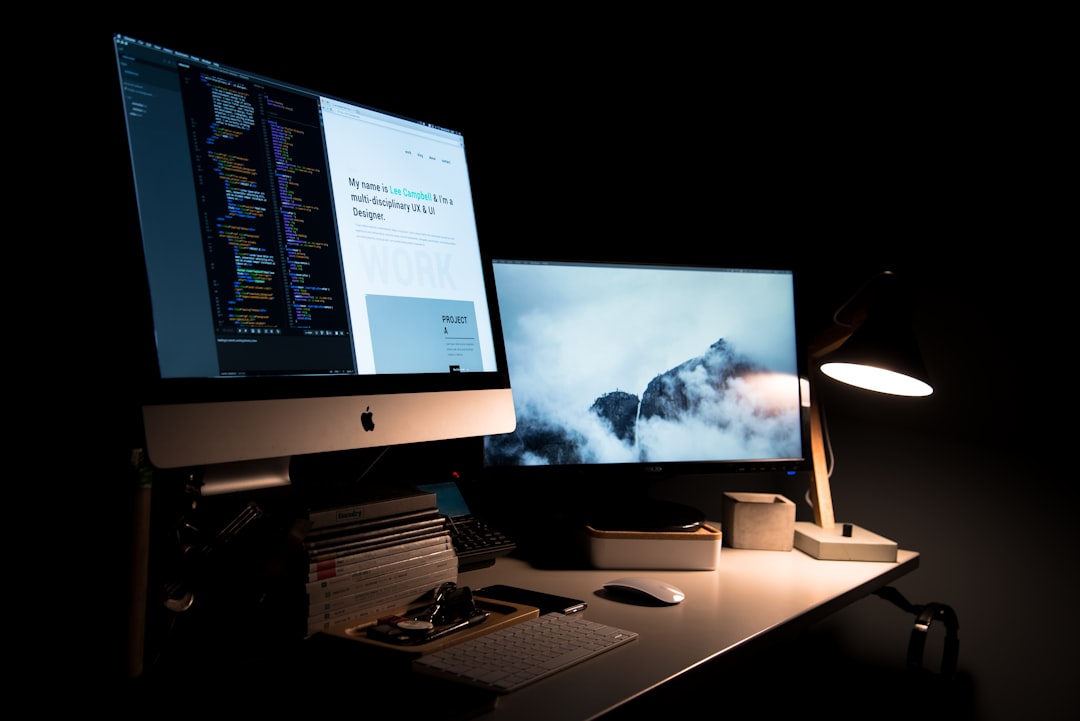
A good Zoom background does more than hide a room. It sets tone, supports how you want to be read, and helps meetings feel a little more intentional. This roundup organizes the best free Zoom backgrounds by use case—work, school, and events—so you can quickly choose something appropriate, attractive, and easy to revisit as your needs change through the year. Rather than chasing novelty, the goal here is to build a practical short list of virtual meeting backgrounds that stay useful: polished home-office scenes, clean minimalist rooms, soft gradients, nature views, and a few playful options for less formal calls.
Overview
This guide gives you a curated framework for finding and keeping the best free Zoom backgrounds, not just a one-time download list. The most reliable source category is Zoom’s own gallery, which regularly features free virtual meeting backgrounds across professional, creative, and seasonal styles. In the current mix, the strongest evergreen options include neutral interiors, tidy workspaces, soft color fields, and lightly styled residential scenes such as minimalist rooms, lofts, lounges, and reading spaces. Those are the backgrounds most likely to work across recurring meetings without distracting from your face or the conversation.
For work, the safest choices are backgrounds that look believable on camera: a modern home office, a clean desk setup, a softly lit bookshelf, exposed brick with controlled visual clutter, or a muted gradient. Zoom’s gallery examples such as serene grey interiors, blue gradient minimalism, minimalist workspace scenes, and warm home-office looks fit this category well. They signal professionalism without trying too hard. A good professional Zoom background should feel stable, spacious, and calm rather than aspirational to the point of parody.
For school, the best free Zoom backgrounds tend to balance friendliness and clarity. Students, teachers, tutors, and presenters often benefit from backgrounds that feel bright, organized, and slightly informal. Think reading nooks, study-friendly home offices, parks in bloom, or simple interiors with plants and daylight. Pinterest can be useful here as a trend radar rather than a final authority: it surfaces what people are actually saving, including classroom-friendly ideas, clean office bookcases, and fun school Zoom backgrounds. Use those signals to understand style demand, then download from a source you trust.
For events, you have more room to lean into mood. Seasonal designs, scenic locations, celebratory interiors, and themed rooms can work well for virtual happy hours, alumni events, community meetups, or casual team calls. Zoom’s own gallery includes travel-like scenes, tropical and museum-inspired options, floral and spring backgrounds, and licensed pop-culture or branded interiors. These are best reserved for occasions where personality is welcome. If your event has mixed audiences, it helps to stay just one step more restrained than your first instinct.
A useful way to think about your library is to keep five categories on hand:
1. Professional default: one neutral room or office that works for interviews, client calls, and formal meetings.
2. Minimalist fallback: one low-detail gradient or plain interior for low bandwidth or inconsistent edge detection.
3. Academic or presentation-friendly: one bright, tidy background for classes, workshops, or webinars.
4. Seasonal or event option: one timely background for holidays, campaigns, or celebrations.
5. Fun spare: one playful background for team socials or lighter calls.
This article focuses on free Zoom backgrounds, but the same logic applies to virtual meeting backgrounds used across other platforms. If you also design presentation assets or digital visuals, it can help to think of your video-call setup as part of a broader visual system. Readers interested in consistent aesthetic packs may also like Moodboard to Marketplace: Turning Artist-Retreat Aesthetics into Sellable Background Packs.
Maintenance cycle
The goal of a maintenance-style background collection is to stay current without constantly starting over. Here is a practical cycle you can use throughout the year.
Monthly: Do a five-minute review of your active Zoom background folder. Remove anything you no longer use. Check whether your current default still matches your role, season, or meeting mix. If you have changed jobs, started teaching, begun freelancing, or moved from casual collaboration to client-facing calls, your background choice may need to shift with you.
Quarterly: Refresh by use case. Review one background each for work, school, and events. Look at current options in Zoom’s gallery first because that source tends to reflect what the platform itself considers suitable and easy to use. Add one new background only if it solves a real gap: perhaps a more credible office scene, a simpler gradient for poor lighting days, or a spring event background for campus or community use.
Seasonally: Rotate in timely backgrounds with restraint. Seasonal updates are helpful when they feel purposeful rather than gimmicky. A cherry blossom park in spring, a warm cozy interior in colder months, or a bright lounge in summer can feel fresh without derailing a call. Zoom’s gallery regularly highlights seasonal styles, which makes it a sensible place to check during these moments.
Before major events: Test your background in the exact lighting and camera position you plan to use. This matters more than download quality alone. A beautiful HD background can still look poor if your hair, glasses, microphone, or chair edge breaks the segmentation. Keep one minimalist backup ready.
Annually: Rebuild your shortlist from scratch. Ask which images still look contemporary and which now feel dated. Virtual backgrounds age in recognizable ways: overly staged interiors, trend-heavy colors, meme-specific humor, and novelty scenes tied to a narrow moment tend to expire fastest. Neutral architecture, uncluttered workspaces, natural textures, and simple gradient backgrounds usually last longest.
If you create your own background images, keep source files organized by aspect ratio, color family, and use case. An editable master makes future updates easier. For adjacent inspiration on motion-based visuals, see Create Cinematic Motion Backgrounds with AI: From Brief to Render in an Hour, though for live meetings still images remain the most practical choice.
A simple naming system helps: work-neutral-01, school-bright-01, event-spring-01, fun-popculture-01. Add the source and month downloaded if you want a cleaner archive. This is especially useful if you need to confirm whether an image came from an official library, an inspiration board, or a third-party article recommending funny Zoom backgrounds.
Signals that require updates
You do not need to refresh your Zoom background collection constantly. But a few signals suggest it is time.
Your current background distracts more than it supports. If people comment on it in meetings where the focus should be elsewhere, that is a useful clue. Some backgrounds invite too much conversation because they look unrealistic, cluttered, or overly branded. In professional settings, the best Zoom backgrounds usually disappear into the flow of the call.
Your role or audience has changed. A fun virtual meeting background may be perfect for a student club and wrong for a grant review, interview, or client workshop. If your calendar now includes more external calls, move toward professional Zoom background options such as minimalist interiors, soft office scenes, or clean abstract backgrounds.
Search intent has shifted. This is especially relevant if you maintain a recurring personal or team collection. Over time, people move from “funny Zoom backgrounds” to “professional virtual meeting backgrounds,” then back again around holidays or social events. Source material reflects this split clearly: Zoom’s gallery emphasizes professional, creative, and seasonal usefulness, while trend-heavy roundups and Pinterest boards surface humor, fandom, and novelty. The safest evergreen interpretation is to keep both categories available, but treat them as separate tools for separate contexts.
The image quality is fine, but the camera result is not. This happens often. A background can be technically sharp yet fail in practice because the perspective is odd, the lighting direction conflicts with your room, or your device cuts around your shoulders. If edge halos, vanishing hands, or flickering artifacts show up regularly, replace the image with a simpler one. Gradient backgrounds, minimal interiors, and low-detail walls tend to perform better than busy shelves or patterned wallpaper.
Licensing or source clarity is weak. Official platform galleries are usually the easiest route for free Zoom backgrounds because they are designed for that use. Inspiration platforms are better for discovery than certainty. If you found an image on a board or in a reposted roundup, trace it back to the original source before using it widely, especially for public-facing events or branded sessions. For broader rights questions around imagery and reuse, see When the Everyday Becomes Yours to Sell: Legal Basics for Using Found-Object Imagery and How to License Concert and Venue Photos for Backgrounds, Merch, and Recap Videos.
Your background no longer matches current visual culture. This is subtle but real. A heavily blurred fake office from several years ago can now feel less polished than a simple, believable interior. The background should not look like a relic of emergency remote work if what you want now is calm competence.
Common issues
The right image can still fail if the setup is wrong. These are the most common issues people run into with free Zoom backgrounds, along with simple fixes.
Issue: The background looks fake.
This usually comes from a mismatch in perspective or lighting. If the virtual room is shot from too high or too wide an angle, your body can look pasted in. Choose backgrounds with eye-level framing and soft, even light. Interiors from Zoom’s gallery often work because they are designed to read clearly in a small video frame.
Issue: Busy details compete with your face.
Bookshelves, art walls, and decorative objects can look great in static previews but noisy in motion. For work meetings, prioritize low-contrast design backgrounds with one focal zone away from your head and shoulders. A subtle paper-like wall, gradient background, or minimalist background is often more effective than a highly furnished room.
Issue: Hair and hands disappear.
Virtual segmentation struggles with backlighting, dark clothing against dark backgrounds, and small camera sensors. Add front light if possible. Avoid backgrounds that mirror your hair color too closely. Keep one blue, grey, or warm beige spare because those colors tend to separate well from skin tones and common clothing colors.
Issue: The background is too playful for the room.
Funny Zoom backgrounds have their place. Krisp’s roundup of humorous ideas illustrates how broad that category can get, from cartoon spaces to magazine covers and pop-culture scenes. They can be genuinely useful for icebreakers, team celebrations, student events, and low-stakes social calls. But they age quickly and are easy to misuse. A good rule: if attendees include clients, interviewers, senior leadership, or people who do not know you well, save the joke background for another day.
Issue: Seasonal backgrounds become stale fast.
Holiday and event-specific virtual backgrounds are best treated as temporary layers, not permanent defaults. Keep them in a separate folder and archive them after use. That prevents a festive background from lingering into routine meetings where it feels careless.
Issue: Source sprawl wastes time.
Many users collect background images from galleries, blogs, boards, and screenshots. The result is a cluttered folder full of duplicates. A better system is to maintain a shortlist of 8 to 12 total images, divided by context. If you need more creative variation, build a second inspiration folder rather than mixing final-use assets with references.
Issue: The background does not fit the message of the event.
For educational sessions, nonprofit panels, memorial gatherings, or culturally sensitive programming, decorative choices deserve care. In those settings, use neutral or context-appropriate backgrounds and avoid irony-heavy or excessively luxurious scenes. Background choices can carry tone in ways people notice even if they do not mention it. Related reading: Designing Educational Asset Packs that Center Underrepresented Histories and Ethical Visuals: Guidelines for Using Human Remains and Sensitive Museum Images.
When to revisit
Return to this topic on a schedule, not only when something looks wrong. The easiest maintenance habit is to revisit your Zoom background collection at four moments: the start of a new season, before a major presentation, when your role changes, and any time you notice your meetings shifting in tone from casual to formal or vice versa.
To make updates practical, use this short checklist:
Step 1: Audit your current default. Ask whether it still suits your most common meeting type.
Step 2: Keep three core backgrounds ready. One professional, one minimalist backup, one event or fun option.
Step 3: Test on camera, not just in preview. Wave your hands, turn your head, and check lighting.
Step 4: Verify source and usage comfort. Prefer official galleries or clearly attributable sources for regular use.
Step 5: Archive old backgrounds. Remove stale seasonal and novelty files so your folder stays easy to navigate.
If you want the simplest possible starter set, begin here: a neutral home office, a soft blue or grey gradient, a bright study or reading room, and one seasonal or scenic background. That small collection covers most real-life calls better than a giant folder of random downloads.
The best free Zoom backgrounds are not necessarily the funniest, most detailed, or most dramatic. They are the ones you can return to with confidence because they support the meeting, reflect your setting, and still look good months later. That is what makes this a background collection worth maintaining rather than just browsing once.