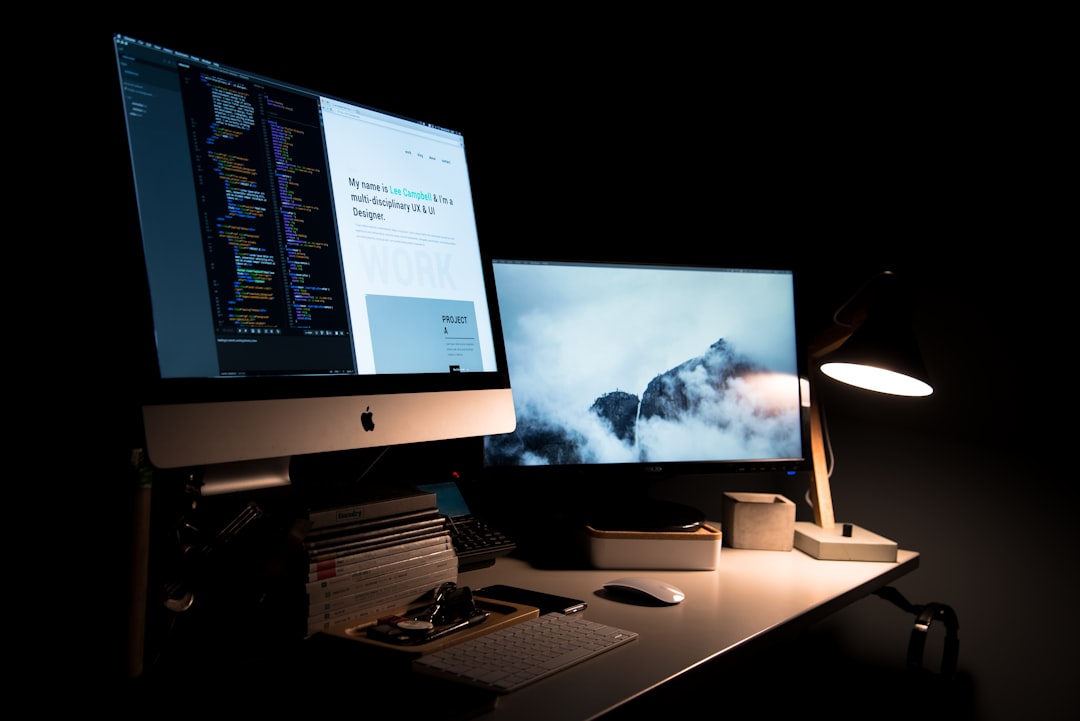
There is something quietly radical about starting a discussion of digital backgrounds with clay. In an era where generative tools can produce thousands of polished images in seconds, the most persuasive visuals may be the ones that still carry evidence of a human hand. That is the central lesson of Es Devlin’s ceramics-and-AI summit: when artists, researchers, and spiritual leaders gather around a kiln, they are not just making pots; they are debating what it means to make meaning at all. For creators who need handmade aesthetics, the takeaway is practical: tactile processes can teach us how to build more believable, more useful, and more ethically grounded background libraries.
At backgrounds.life, that matters because audiences are increasingly looking for assets that do not feel generic. They want AI-safe visuals that do not flatten their brand into the same synthetic sheen everyone else is using. They want buyable content that helps them convert attention into trust. And they want backgrounds that behave like real tools: ready for mobile, social, print, pitch decks, and editorial systems without endless tweaking. Clay, glaze, and fire offer a surprisingly strong model for that kind of asset design.
In this guide, we will translate ceramic thinking into a modern workflow for human-feeling design, exploring how throwing, glazing, and firing can inspire texture packs, color systems, and surface design decisions. We will also look at licensing, AI ethics, and platform fit, because beautiful assets only become commercially valuable when they are clear, safe, and easy to use. If you create or sell craft-inspired assets, this is your playbook for turning studio process into searchable, profitable background libraries.
1. Why Clay Is the Perfect Metaphor for Background Design
Clay preserves process in a way pixels often erase
Clay remembers the path of the hands that shaped it. A thumbprint, a drag mark from a rib tool, a subtle ripple from a wheel pull—these are not defects, they are evidence of presence. Background design benefits from the same logic, because the best human-made aesthetics often come from texture that suggests process rather than perfection. When a creator scrolls through an endless feed of glossy AI imagery, what stops the eye is usually some trace of irregularity: a grain, a scuff, a glaze crawl, a soft asymmetry.
That is why clay thinking is so useful for digital asset libraries. Instead of asking, “How do I make this background look finished?” ask, “What process does this background reveal?” That question changes the result from sterile to memorable. It also aligns with the needs of content creators and publishers who use tactile backgrounds to make layouts feel editorial, intimate, and credible.
Surface variation creates emotional depth
Ceramics are a masterclass in micro-variation. A glaze may pool darker at the rim, break lighter over texture, or blush unexpectedly where the kiln atmosphere changes. Those small variations create emotional depth because they mirror how natural surfaces behave in the world. In visual design, the same principle can be translated into surface design systems that feel layered rather than flat.
For background makers, this means building assets that include multiple visual frequencies: broad color fields, medium-scale texture, and tiny irregular marks. A good ceramic-inspired texture pack should work the way a bowl or vase works up close and at a distance. From far away, it reads cleanly as a background; up close, it rewards inspection. That dual read is one reason craft-inspired assets often outperform generic gradients in premium brands and editorial systems.
Material honesty is a market differentiator
One of the strongest lessons from the ceramics world is that a surface does not need to pretend to be something else. Clay can look like clay. Glaze can look like glaze. Fired mineral color can look like heat transformed pigment. In digital asset marketplaces, that honesty becomes a differentiator because users are tired of overprocessed, overpromised visuals. For publishers, the value of authentic design systems is trust: the visual language feels aligned with the values of the story being told.
There is also a commercial angle. Buyers increasingly want to know whether an asset set has been responsibly created, whether the license is clear, and whether the look is original enough to avoid sameness. That means the craft story behind a pack matters. When you can say, “This set is based on wheel-thrown forms, ash glaze studies, and kiln-fired color shifts,” the product becomes more than a file download. It becomes a methodology.
2. From Throwing to Layering: How the Potter’s Wheel Becomes a Design System
Wheel-thrown forms teach rhythm and repetition
Throwing on the wheel is not random; it is a controlled dance between pressure, speed, and patience. The same idea applies to background creation. A strong texture library often needs repeated visual motifs that appear throughout a set, just as a potter repeats forms across a body of work. That repetition gives a catalog coherence, which helps buyers recognize the collection and use it consistently across projects.
For example, a “wheel-thrown” background pack might include concentric rings, soft spiral gradients, and circular motion blur patterns that echo the turning of clay. These are not literal pot images. They are design translations of motion. If you want more approaches to building cohesive creative systems, see how creators structure outputs in bite-size thought leadership and thin-slice case study formats: each piece belongs to a bigger narrative.
Trimming is a lesson in editing out noise
After a vessel is thrown, potters trim away excess clay. That removal is not loss; it is refinement. Design teams should think about background production the same way. When a texture is too busy, too contrasty, or too literal, the result stops functioning as a background and starts competing with foreground content. Good trimming means reducing visual noise until the surface supports text, product mockups, or brand overlays.
This is where creators can borrow a discipline from the data and publishing worlds. When teams evaluate content performance, they often learn that the most effective assets are the simplest ones. That principle shows up in guides like genAI visibility tests and fact-checking templates for journalists: clean structure improves usefulness. In a background library, trimming means intentionally leaving open space, preserving legibility, and making sure the texture does not fight the message.
Asymmetry creates life without sacrificing usability
Perfect symmetry can look elegant, but it often feels dead. Pottery frequently teaches us that slight asymmetry makes an object feel alive. A lip that leans a little, a shoulder that narrows unexpectedly, a glaze line that slips off-center—all of these create personality. In background design, asymmetry can be used very carefully to keep a pack from feeling machine-generated while still preserving usability.
Try this in practice: create a base background, then produce several “family members” by shifting the grain direction, nudging the color temperature, or allowing one corner to carry more pigment than the others. This is similar to how product teams create variants for different contexts, like in traffic surge planning or edge-first deployment thinking: the core system stays stable, but the implementation flexes to fit conditions.
3. Glaze Palettes: Turning Kiln Chemistry into Visual Brand Language
Glazes are basically color systems with behavior
Most designers think of color as fixed, but glaze proves that color is often dynamic. A glaze palette is not just a list of hex codes; it is a set of behaviors under heat, thickness, atmosphere, and time. That makes glaze an ideal model for brand color systems in background design. The same blue might feel quiet and powdery in one context, deep and pooled in another, and almost metallic in a third.
For a texture pack, this means your palette should include not only base colors but also transformation notes. Which hues darken in shadow? Which warm up when layered over paper grain? Which tones feel most credible in editorial use? If you are making commercial assets, that nuance matters because buyers need surfaces that work across interfaces, not just on a mood board.
Earth tones still dominate because they feel materially believable
Ceramics-inspired libraries often do best when they borrow from earth: ochres, bone whites, iron reds, ash grays, mossy greens, and charcoal blacks. These colors carry the memory of mineral matter. Even when users do not consciously identify the source, they often respond to the emotional clarity of those tones. That is one reason many premium background systems lean toward tactile neutrals rather than neon or ultra-saturated effects.
There is a sustainability parallel here as well. As consumers become more attentive to materials and process, assets that signal restraint and craftsmanship feel more premium. That logic echoes discussions in sustainability culture and refillable product design, where value comes from thoughtful formulation rather than excess. Background palettes that use mineral restraint often outperform louder competitors because they create room for typography, photography, and interface elements.
Layered transparency is the digital equivalent of glaze depth
Glazes create depth because they are not opaque in a simple way. They can stack, thin, pool, crackle, and reveal what lies beneath. Background designers can replicate that feeling by working in layers: base wash, mid-tone stain, granular overlay, and highlight bloom. The result is a file that feels materially rich without becoming cluttered. This approach also helps with multi-platform reuse because layers can be dialed back or intensified for different aspect ratios.
For creators who need adaptable visual systems, this kind of layering is similar to building flexible content infrastructure. You would not design one static image and expect it to work everywhere. You would create a base pattern, then variants optimized for stories, headers, thumbnails, and hero banners. That is exactly how useful developer SDK patterns and integration standards are structured: one core logic, multiple practical outputs.
4. Firing, Imperfection, and the Ethics of Human-Looking AI
Fire changes everything, and that is the point
Kiln firing is a reminder that transformation is irreversible. Heat changes clay, glaze, and color in ways that cannot be precisely predicted. That unpredictability is part of the beauty. In the age of generative design, where output can be iterated endlessly, this matters as a philosophical correction. A background should not always look as though it was optimized into blandness. Sometimes it should carry evidence of a decision, a constraint, or a surprise.
This is where AI ethics enters the conversation. If a background is generated, filtered, or augmented by AI tools, creators should ask what has been removed, averaged out, or ethically obscured in the process. Are you preserving genuine tactile cues, or are you simulating craft without acknowledging the source? For readers interested in this tension, the discussions around responsible AI procurement and fact-checking AI outputs offer a useful mindset: trust is not a vibe, it is a practice.
Human imperfection is now a premium feature
What used to be called roughness is now often understood as authenticity. A brush mark, a glaze bubble, a lopsided edge, or a speck of dust can make a digital surface feel trustworthy. That does not mean sloppiness is good design; it means selective imperfection can create emotional legibility. Buyers respond to assets that look like they came from a real studio rather than a content farm.
This also changes how we think about differentiation. If every AI tool can generate a “ceramic texture,” then the advantage shifts to the person who understands what actual clay does under pressure and heat. That person knows how to build textures that resemble surfaces with history, not just surfaces with style. It is the same reason audiences increasingly pay more for a human brand: the human trace signals judgment.
Ethical clarity is part of the product
Creators selling backgrounds need to state what their libraries are, how they were made, and what rights come with them. If a texture pack is inspired by ceramics but generated with AI assistance, that should be transparent. If the pack uses photographs of actual handmade pieces, the license should be clear. If no third-party work was used, that is a selling point. In commercial marketplaces, trust is a feature, not a footnote.
That mindset mirrors the broader shift in digital commerce toward clearer standards and safer supply chains, from predictive safety systems to document compliance audits. Background buyers are not just purchasing beauty; they are purchasing predictability. If your product page can explain process, rights, file formats, and use cases, you lower friction and increase conversion.
5. Building a Ceramics-Inspired Background Library Step by Step
Step 1: Collect tactile references, not just pretty pictures
Start by gathering real ceramic references: thrown bowls, cracked glaze samples, kiln shelves, fired clay edges, slip trails, and studio surfaces dusted with pigment. The more specific your reference set, the more original your final assets will feel. Do not rely only on mood boards that recycle the same stock imagery. Photograph objects under changing light, because raking light reveals texture better than front light and gives you material information you can translate into digital surfaces.
Creators who build asset packs often skip this stage and jump straight to pattern generation. That is a mistake. Strong libraries are sourced like strong editorial projects: with intention, coverage, and clear taxonomy. If you want a model for that kind of structured collection building, look at how creators think about audience-facing assets in mapping cultural influence or heritage media promotion, where context shapes value.
Step 2: Define a family of textures, not isolated files
A usable background library should include multiple texture families: soft matte clay, wet slip streaks, ash-fired grain, crackle glaze, speckled stoneware, and tool-marked surfaces. Each family should contain variations in density, scale, and contrast. This allows customers to pick a texture that fits a minimalist article, a luxury product launch, or a moody social post without leaving your ecosystem.
Think in terms of modularity. A good pack is not a random folder of interesting files; it is a system. That is how buyers in technical markets evaluate tools, whether they are reading about hardware specs or comparing device checkpoints. They want to know what they get, how it differs, and which file solves which problem. Your ceramic-inspired pack should answer those questions instantly.
Step 3: Export for real publishing workflows
Backgrounds fail when they are beautiful but inconvenient. Export common ratios: square, 4:5, 9:16, 16:9, and ultra-wide hero dimensions. Provide clean and textured versions. Include high-resolution PNG or TIFF files where appropriate, plus lightweight JPGs for quick use. If you can, bundle layered source files so advanced users can customize the color wash or noise intensity. The best libraries anticipate the way creators actually work rather than forcing them to reshape every asset manually.
That user-centered thinking is closely related to the practical logic in AI-ready product design and storage workflow optimization: make the asset easy to move, easy to trust, and easy to deploy. For creators, convenience is not a bonus. It is the product.
6. How to Use Tactile Backgrounds Across Platforms
Editorial and long-form publishing
In article layouts, ceramic textures work best as quiet framing devices. Use them behind section headers, pull quotes, or hero intros where the surface can add warmth without overwhelming typography. Soft matte clay and low-contrast glaze fields are especially effective for opinion, arts, wellness, and luxury features. They signal depth and seriousness without looking corporate.
To keep the page readable, pair textured backgrounds with generous whitespace and strong type contrast. If the image is too detailed, reduce opacity or blur selectively. For publishers exploring how visual context affects audience trust and comprehension, the strategies in media literacy case studies are surprisingly relevant: clarity is a design choice, not a default.
Social and creator content
On social platforms, tactile backgrounds can help posts stand out without feeling like ads. A ceramics-inspired backdrop behind a quote card, product announcement, or tutorial cover can make the message feel more grounded and less synthetic. This is especially useful for creators trying to differentiate in feeds saturated with polished AI graphics. A slight grain, ash tone, or glaze bloom can create a recognizable visual identity.
Creators should test these assets across device types, because a texture that looks elegant on desktop may band or muddy on mobile. That testing mindset echoes practical guidance found in device evaluation and large-screen viewing comparisons. In other words: assume nothing about how the surface will render until you see it in context.
Branding and commerce
For ecommerce, launch pages, and pitch decks, craft-inspired assets can suggest premium materiality even when the product is digital. That is especially valuable for brands selling wellness, home, beauty, food, and design services. A glaze-inspired background can make a landing page feel curated; a clay-dust texture can make a slide deck feel handmade and credible. The trick is restraint. The surface should enrich the product story, not distract from the call to action.
If you want to understand how visual styling can support trust and conversion, compare the discipline used in A/B testing and buyability-focused link strategy. The same rule applies here: a background is successful when it helps the user move toward the desired decision with less friction.
7. A Practical Comparison: Ceramic Texture Types and Their Best Uses
The table below can help creators choose the right tactile direction for different publishing and branding scenarios. Think of it as a quick map from studio surface to market application.
| Texture Type | Visual Character | Best Use Cases | Strengths | Cautions |
|---|---|---|---|---|
| Matte Clay Wash | Soft, powdery, low contrast | Editorial headers, wellness pages, minimalist branding | Clean, calm, easy to read behind text | Can feel flat if not layered with grain |
| Wheel-Ring Spiral | Concentric motion lines, subtle energy | Creator covers, motion graphics, product launches | Feels dynamic without becoming noisy | Too much contrast can overpower typography |
| Crackle Glaze | Fine fractured network, high detail | Luxury packaging, close-up feature art, premium social posts | Rich, artisanal, memorable | Needs careful scaling to avoid visual clutter |
| Ash-Fired Grain | Organic speckling, smoky tonal shifts | Arts publications, cultural essays, moody brand pages | Natural, layered, unmistakably tactile | May darken too much on low-quality displays |
| Slip Trail Marking | Brush-like streaks and flow lines | Cover art, quote cards, fashion, beauty | Expressive and directional | Can compete with faces or product shots |
| Speckled Stoneware | Balanced grain with neutral color | Universal background library staple | Versatile, stable, commercially safe | Requires strong naming and metadata to stand out |
8. AI Ethics for Craft-Inspired Asset Creators
Be explicit about source, process, and degree of automation
The more convincing an AI-generated or AI-assisted surface looks, the more important disclosure becomes. If your texture pack uses AI as part of the process, say so clearly and explain what role it played. Did AI assist with upscaling? Did it help generate variants from photographed ceramics? Did it simply speed up masking and color tests? Buyers appreciate specificity because it helps them judge authenticity and fit.
That principle is increasingly important across digital industries, from app integration to procurement standards. Ethical clarity does not slow the business down; it makes the business safer to scale. For asset marketplaces, that means better customer confidence and fewer licensing misunderstandings.
Do not simulate craftsmanship in ways that erase real makers
There is a fine line between inspiration and extraction. If a commercial asset pack is heavily based on a living ceramicist’s signature surface language, a studio should consider whether permission, partnership, or attribution is warranted. Originality matters, but so does respect. The goal is not to mimic someone else’s studio identity at scale; it is to translate the broader intelligence of craft into new visual work.
This is where brands can earn long-term trust. Consumers and publishers are becoming more sensitive to whether digital products feel honest about their lineage. That sensitivity shows up in unrelated markets too, such as human-branded goods and AI-assisted shopping. Across categories, people increasingly reward transparent systems over mysterious ones.
Use ethics as part of your storytelling
Ethical design is not only defensive. It is also marketing. When a product page explains that a texture pack was built from studio-captured ceramics, responsibly processed, and licensed for commercial use, that page becomes more persuasive. Buyers understand what they are getting and why it matters. In a crowded market, that clarity can outperform a generic claim of “premium quality.”
That is the same reason well-structured tools and marketplaces win in crowded categories. Buyers trust systems that explain themselves. Whether the topic is auditable documentation or scanned-document workflows, the message is consistent: process builds confidence.
9. A Workflow for Turning Pottery Notes into Sellable Background Packs
Studio note to asset list
Start by keeping a process notebook in the studio. Record glaze tests, kiln atmospheres, clay body differences, surface flaws, and color reactions. Then translate those notes into asset names and tags. For example, “iron-rich glaze with edge breaking” becomes a searchable background descriptor rather than just an attractive image. This improves discoverability and helps creators sell more effectively in crowded marketplaces.
To strengthen that commercial structure, borrow from marketplaces and product planning frameworks in cloud data marketplaces and buyability metrics. Good metadata is not administrative fluff. It is a sales asset. If users can quickly understand what the texture is, where it fits, and what it feels like, they are more likely to buy.
Package variants by mood and function
Do not sell one giant folder of miscellaneous images. Instead, package backgrounds by mood: quiet studio, fired earth, smoky ash, modern glaze, hand-built minimal, and expressive mark-making. Within each set, include both hero images and utility variants. This helps buyers use the collection in editorial, social, ecommerce, and presentation contexts without having to redo the design work themselves.
That kind of thoughtful packaging is the design equivalent of good retail curation. It mirrors how creators think about product bundles in retail media and how shoppers assess value in budget buying guides. When the bundle matches the need, friction drops and conversion improves.
Write copy that sounds like a studio, not a stock site
Your product descriptions should sound like they were written by someone who has handled clay. Describe how the texture was made, how it behaves, and what kind of visual mood it creates. Avoid empty adjectives. Specific language builds trust: “subtle ash bloom,” “soft wheel pull,” “glaze pooling at the edge,” and “mineral grain with warm undertones” are much stronger than “cool texture pack.”
Creators often underestimate how much this matters. But language is part of surface design. The words shape expectation, and expectation shapes whether the asset feels premium. If you want inspiration for concise but compelling framing, study how creators structure audience hooks in bite-size thought leadership and how visual trust is built in photorealistic product demos.
10. Final Takeaway: The Future of Backgrounds Is Handmade at Heart
What ceramics teaches digital creators
Es Devlin’s ceramics-and-AI summit points toward a broader creative truth: technology becomes more meaningful when it remains in conversation with matter, labor, and ethics. Clay reminds us that surfaces are not just decorative. They are records of process, care, and constraint. For background creators, that is a powerful design philosophy. It says your best assets should not merely imitate craft; they should be informed by how craft thinks.
That means making texture packs that feel lived-in, glaze palettes that behave like real materials, and background libraries that are transparent about source and use. It also means recognizing that the market is shifting toward visuals that feel more grounded and less synthetic. If you can offer human-feeling, commercially safe, platform-ready assets, you are not just selling images. You are selling trust.
What to build next
If you are a creator, publisher, or asset seller, your next best move is to create one small ceramic-inspired collection and test it across multiple uses. Build six to ten textures, export them for different formats, and write clear licensing language. Then observe which surfaces feel most adaptable, most memorable, and most profitable. That experiment will tell you more than a dozen mood boards ever could.
And if you want your library to stand out in a generative-dominated market, lean into what AI cannot fake convincingly on its own: studio logic, material memory, and a real editorial point of view. The future belongs to the creators who can make digital surfaces feel like they were fired, not just rendered.
Pro Tip: The most marketable tactile backgrounds are not the busiest ones. They are the ones that leave enough quiet space for another creator’s work to breathe on top of them.
FAQ
What makes ceramics textures different from generic texture packs?
Ceramics textures usually have a stronger sense of process. Instead of repeating noise or abstract grain, they often include evidence of motion, heat, pooling, and hand contact. That makes them feel more human-made and less synthetic, which is especially useful for brands that want warmth, trust, or editorial credibility.
How can I make tactile backgrounds usable for multiple platforms?
Build with flexibility from the start. Export multiple aspect ratios, create both high-detail and low-detail versions, and make sure your textures are legible when compressed for social media. It also helps to keep a neutral master file that can be adapted for web, mobile, and print without losing the core surface character.
Is it ethical to use AI in ceramics-inspired background design?
Yes, if you are transparent about how AI was used and you are not misrepresenting the work as purely handmade when it is not. Ethical use means disclosing the role of automation, respecting source material, and avoiding style extraction from living artists without permission or clear transformation.
What glaze palettes work best for commercial background libraries?
Earth tones, mineral neutrals, muted blues, ash grays, warm bone whites, and layered clay reds tend to be the most versatile. These colors read as material and premium without overpowering text or product photography. They also work well across editorial, brand, and ecommerce contexts.
How should I name ceramic-inspired texture assets for SEO?
Use descriptive names that include both material and behavior, such as matte clay wash, ash-fired grain, crackle glaze texture, or wheel-ring spiral background. Search-friendly naming helps buyers find the asset and also clarifies use cases. Add tags for mood, color, and format to improve discoverability.
What is the biggest mistake creators make with craft-inspired assets?
The biggest mistake is overdesigning them until they stop functioning as backgrounds. If the texture becomes too busy or too literal, it competes with the content it is supposed to support. The best craft-inspired assets preserve enough restraint to remain useful in real layouts.
Related Reading
- Paying More for a ‘Human’ Brand - Learn when handcrafted signals genuinely raise perceived value.
- How to Make Flashy AI Visuals That Don’t Spread Misinformation - A practical guide to safer synthetic imagery.
- Responsible AI Procurement - What standards buyers should demand from AI providers.
- Fact-Check by Prompt - Verification templates for publishers using AI outputs.
- The Future of App Integration - How compliance and AI capability can coexist cleanly.