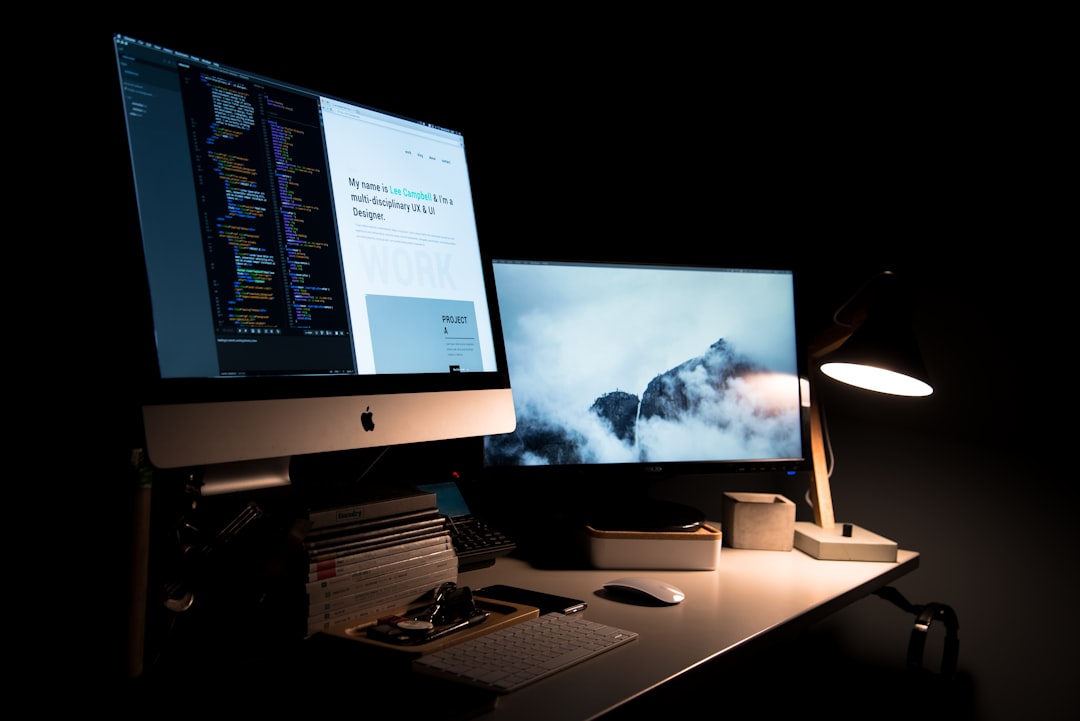
Sellable Mockups for Smart-Home Influencers: Fast-track Promo Kits for Lamps, Speakers, and Discount Campaigns
Hook: You have the deals — Govee's RGBIC lamp is on sale and Amazon slashed prices on micro speakers — but you don't have time to shoot, edit, and export platform-ready creative for every promo. What if you could buy a ready-to-run kit of smart-home mockups, a flexible scene builder, and export presets that cut production time from hours to minutes?
The promise: sellable assets that make promo cycles predictable
In 2026, fast-moving discount campaigns and flash deals are the norm. Influencers and creators need repeatable systems to showcase discounted smart lamps, micro speakers, and other IoT gadgets without reinventing the creative wheel for every brand collab. A productized mockup bundle does exactly that: standardized, legally safe, and optimized for platform specs and ad formats.
Why this matters now — trends from late 2025 into 2026
Several developments made sellable mockup kits a must-have in early 2026:
- Retailers like Govee and Amazon ran aggressive discount cycles, increasing short-term promo volume for smart lamps and micro speakers.
- Short-form video and vertical-first shopping (Reels, TikTok, YouTube Shorts) dominate conversions — creators must deliver vertical video fast.
- AI-assisted scene builders and AR previews matured, letting creators swap devices, lighting, and branding in seconds.
- Buyers want authenticity — editable mockups that output UGC-style photos/videos help maintain trust while scaling content.
What to package in a productized smart-home promo kit
Build a product that an influencer can drop into their workflow. The core pieces are:
- High-fidelity mockups: PNG/PSD smart objects and 3D-rendered assets of lamps and micro speakers with isolated shadows and displacement maps.
- Scene builder files: Layered PSD/Sketch/Figma templates and a lightweight WebGL builder for drag-and-drop scene composition.
- Export presets: One-click H.264/H.265/AV1 and PNG/JPEG export profiles for Reels, TikTok, YouTube Shorts, Instagram Feed, and Amazon Posts.
- Branding layers & replacement maps: Easy swap for logos, product labels, and promo sticker overlays (e.g., "25% off", "LIMITED").
- Usage license & legal kit: Clear commercial license, brand usage checklist, and copy for affiliate disclosures to keep campaigns compliant.
- Onboarding guide & 3 quick tutorials: A 5-minute setup, rapid scene edits, and export walkthrough with recommended settings for each platform.
Technical details influencers need to know (actionable presets)
Deliver presets that remove guesswork. Here are platform-ready export specs you should include in every kit:
- Instagram Reels / TikTok / Shorts (vertical video): 1080 × 1920 px, 30–60 fps, H.264 baseline/Main, AAC audio 128 kbps, bitrate 8–12 Mbps, color profile sRGB/BT.709.
- Instagram Feed (static): 1080 × 1080 px or 1080 × 1350 px (4:5), PNG or JPEG high (quality 80–90), sRGB.
- YouTube (promo clips): 1920 × 1080 px (landscape) or 1080 × 1920 px (shorts), 30/60 fps, H.264/HEVC where supported; deliver both to maximize compatibility.
- Amazon Posts / Product Images: 1000–3000 px on the long edge; 1:1 or 4:3 depending on placement; PNG/JPEG sRGB, background removal included.
- Web/Newsletter GIFs: 800 × 450 px, 15 fps, optimized color palette (≤128 colors), looped 3–6 seconds for social embeds.
Scene-builder features that scale for multiple SKUs
Design scene builders around modularity. Key features that make them sellable:
- Device swap: Replace lamp or speaker model while keeping lighting and composition intact.
- Color & lighting rigs: Real-time RGBIC color wheels to preview Govee-style color transitions and strobes.
- Room presets: Living room, bedside, desk, or outdoor patio scenes pre-proportioned for product scale.
- Depth & occlusion: Foreground elements (plants, hands, mugs) to create UGC authenticity. See best practices in hybrid workflows for tips on layering and depth.
- Smart overlay templates: Promo badges ("Deal", "Flash", price), countdown timers, and CTA buttons that export flattened for delivery or remain editable.
Pricing and license tiers — marketplace-ready models
Price your kits to match buyer intent: individual creators versus agencies. Use a simple tier structure and name tiers for clarity.
- Starter Kit — $19–29: 5 mockups, 3 scene presets, basic export presets, single-user commercial license. Ideal for micro-influencers promoting a single discounted lamp or micro speaker.
- Creator Kit — $49–79: 15 mockups, full scene builder access, vertical/landscape presets, 2-device swap textures, commercial license for sponsored content.
- Pro / Agency — $199–349: 50+ mockups, 3D files, multi-SKU scene packs, extended license (multiple clients), white-label options, priority support.
- Subscription/Bundles: Monthly drops with new devices and campaign-specific overlays — $9–29/mo. Great for creators working with multiple brands and discount campaigns.
When launching, use an early-bird discount (20–35% off the first 72 hours) and a limited-time bundle for Govee or micro speaker promos to ride the retail buzz.
Storefront setup: where to sell and how to automate delivery
Choose a platform that balances discoverability, fees, and file delivery. Recommended options in 2026:
- Gumroad: Fast to set up, supports license keys, EU VAT handling, and pay-what-you-want options.
- Shopify + SendOwl: More brand control, subscription support, and embeddable storefronts for your influencer website.
- Creative Market & Envato: Great discoverability for design asset buyers, but higher marketplace fees and stricter review processes.
- Etsy: Surprising fit for digital asset bundles when you target creators looking for quick-start kits.
- Own site + CDN: Use a static purchase page with Stripe checkout and an automated delivery via S3/Cloudfront for low fees and full control.
Automate license issuance and attach a short onboarding PDF and 3 short tutorial videos (hosted privately on Vimeo/YouTube unlisted) to increase conversions and reduce support queries.
Promo tactics influencers can use with your kit
Sell not just the product, but the outcome — faster CPA, more swipe-ups, and consistent brand-safe creative. Practical promo ideas:
- Flash discount demo: Use the RGBIC lamp color loop preset to create a 6–8 second vertical loop showing mood settings, then overlay "Now 30% Off" sticker from the kit.
- Before/After UGC: A split-screen template showing a dull lamp vs. a Govee lamp in the scene builder; caption: "Instant mood upgrade — link in bio."
- Product teardown: Use macro mockups and exploded 3D renders to highlight speaker drivers and battery life — great for affiliate posts promoting Amazon micro speaker deals.
- Countdown stories: Use the built-in timer overlay to run 24–48 hour sale reminders across Stories and Shorts.
Email and caption templates (copy you can reuse)
- Subject line: "Limited — Govee RGBIC lamp 30% off + ready-to-post videos"
- Caption template: "Ambient lighting upgrade for less — grabbed this Govee lamp on sale. Tap to shop (affiliate). Quick demo saved with my preset pack."
- CTA for Amazon micro speaker: "Pocket-sized boom + 12-hour battery. Use my link for the current low price. Swipe up for sound test."
Licensing, brand safety, and legal must-dos
Clear licensing is a key conversion driver. Provide three things every kit should include:
- Commercial license: Allows creators to use assets in sponsored posts and client work.
- Extended license add-on: For resellers or creators who resale merch or templates incorporating your assets.
- Brand usage checklist: Explain trademark/logo rules, prohibited edits (no fake endorsements), and required affiliate disclosures (FTC rules updated in 2025 emphasize clear, contextual disclosure in social posts).
Quick rule: Always disclose affiliate links and sponsorships in the first two lines or as a visible sticker on short-form clips. It protects you and keeps brand partners happy.
Real-world micro case study: fast-turn promo for a Govee lamp drop
Meet Lena, a lifestyle-tech creator. She received a 48-hour flash discount for a Govee RGBIC lamp and needed 6 pieces of content across platforms in 24 hours. Her purchases and workflow looked like this:
- Bought the Creator Kit ($59) at a launch discount.
- Used the living-room scene preset, swapped the lamp model, and applied a warm-to-cool RGBIC loop in the scene builder (5 minutes).
- Exported a 9-second vertical loop using the Reels export preset (60 seconds total export time for all sizes).
- Edited caption from the included template, added affiliate link, and posted across Reels, TikTok, and an Amazon-linked static post.
- Performance: Lena cut production time by 80%, maintained consistent branding, and saw click-throughs 2–3x higher than her previous ad-hoc creatives because the UGC-style mockups matched her feed.
Advanced strategies for product sellers and creators in 2026
If you’re selling kits, move beyond static assets:
- Offer AR previews: Lightweight AR experiences for buyers to preview lamps/speakers in their room (works great in ad landing pages).
- Live-template API: Let buyers generate on-the-fly assets with an API that swaps colors, prices, and badges for A/B testing.
- Affiliate-friendly bundles: Provide creators with tracking-ready promo overlays and voucher codes to measure lift per asset. Subscription models help here: micro-subscriptions make recurring drops simpler.
- Data-driven pack updates: Release quarterly updates based on platform spec changes (in 2026 we saw AV1 adoption grow; include both H.264 and AV1 for forward compatibility). Read streaming device compatibility notes for AV1 support.
Checklist: Launching your first sellable smart-home mockup pack
- Assemble 10–20 high-quality mockups with PSD smart objects and 3D renders. (Secure asset workflows can help — see TitanVault workflows.)
- Build 8–12 scene presets (vertical, landscape, product grid, hero).
- Create export presets for five major placements and include one-click settings files for Adobe, Final Cut, and DaVinci Resolve.
- Write three tutorial videos and a short onboarding PDF.
- Decide on license tiers and price points; set a launch discount for early buyers.
- Choose a storefront and automate file delivery, license keys, and VAT handling.
Final actionable takeaways
- Buy once, deploy everywhere: A well-constructed kit should let creators produce cross-platform promos in under 30 minutes.
- Keep legal simple: Clear commercial licenses and affiliate templates reduce friction and increase conversions.
- Optimize for speed: Export presets and scene builders are the product’s raison d'être — test them live with a 48-hour discount campaign before wide release.
- Price by value: Micro-influencers want low entry price; agencies will pay for scale and extended rights.
Call to Action
Ready to stop scrambling for campaign creative? Grab the free sample pack — five mockups, two scene presets, and three export presets — or sign up for the Creator Kit demo to see a full Govee lamp and Amazon micro speaker workflow in action. Build promos faster, stay compliant, and convert more clicks during discount campaigns.
Get the sample pack or schedule a demo today — and turn every smart-home discount into high-converting content.
Related Reading
- Audio + Visual: Building a Mini-Set for Social Shorts Using a Bluetooth Micro Speaker and Smart Lamp
- Hybrid Photo Workflows in 2026: Portable Labs, Edge Caching, and Creator-First Cloud Storage
- Smart Lighting Recipes for Real Estate Photos: Colors, Scenes, and Setup for Better Listings
- Review: Low-Cost Streaming Devices for Cloud Play (2026) — Which Ones Deliver?
- Micro-Subscriptions & Cash Resilience: How Small Businesses Built Predictable Revenue in 2026
- What Tax Filers Need to Know About Deepfakes and Refund Fraud
- Keeping Podcasts Free: Affordable Alternatives for True-Crime Fans After Spotify’s Hike
- Creators, Moderation, and Labor: What Swim Content Creators Should Learn from TikTok’s UK Dispute
- Disney 2026 from Austin: What New Rides Mean for Your Family Trip and How to Score Deals
- Monetizing Sensitive Topics: What YouTube’s Policy Shift Means for Creator Revenue