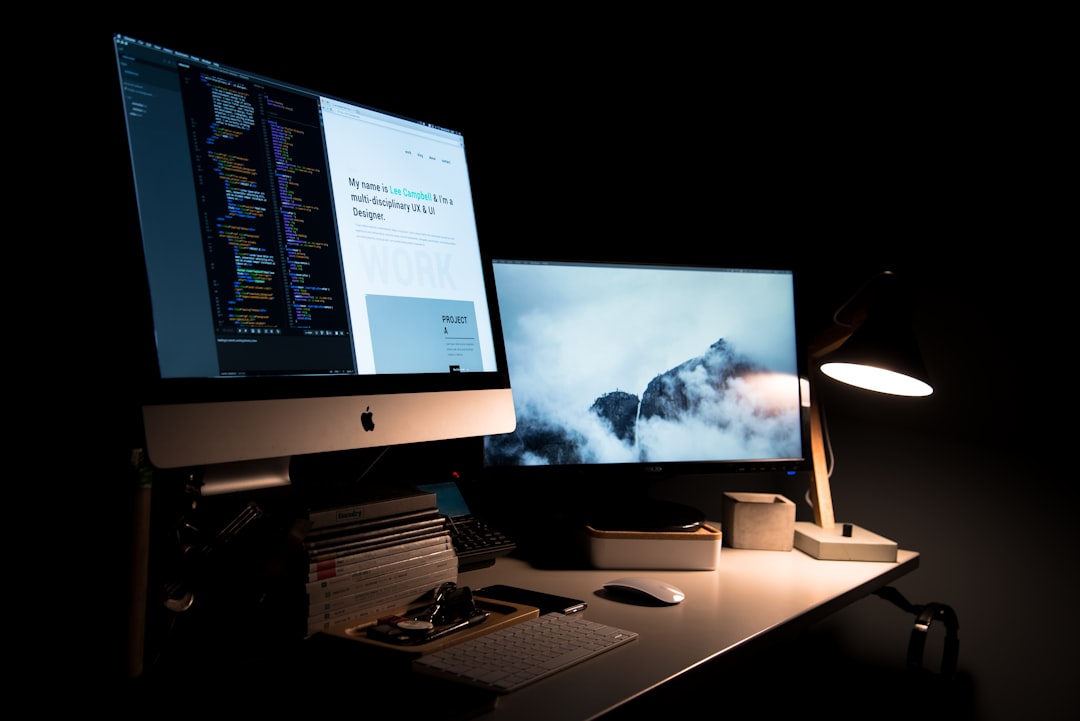
Quick-Start Creator Pack for Live Audio Streams: Visuals for Microphone and Speaker Dealers
Hook: If you sell microphones or micro speakers but your livestreams feel audio-first and visually flat, you’re losing viewers — and buyers. Creators need device-ready, brandable visuals that show product fidelity and tell an audio story in seconds. This quick-start pack solves that: lower-thirds, speaker demo backgrounds, and audio-reactive visuals built for livestream product demos and interviews.
Why this matters in 2026
The creator economy in 2026 expects pro-level production from small teams. Micro speakers and compact mics exploded in late 2025 (price wars and new models made demos a daily demand). At the same time, live audio formats — livestreamed demos, live interviews, and shopping streams — have matured. Audiences now judge trustworthiness by how polished a demo looks in-browser or mobile. That’s why curated visual assets are no longer nice-to-have: they’re conversion tools.
“Visual consistency and audio-reactive cues increase perceived product quality and viewer retention — especially for micro speakers and mics.”
What’s in the Quick-Start Creator Pack
The pack is built for microphone and speaker dealers who livestream product demos, host remote interviews, or produce audio-first branded content. It includes:
- Lower-thirds: 20 scalable templates (SVG + WebM/ProRes with alpha) in two sizes: desktop 16:9 and vertical 9:16 for socials.
- Speaker demo backgrounds: 12 device-matched backgrounds (4K, 1440p, 1080p) tuned for common micro speaker silhouettes and product photography lighting.
- Audio-reactive visuals: 8 prebuilt WebGL and OBS shader scenes and 6 WebM visualizers that react to incoming audio using FFT bands, optimized for low-latency livestreams.
- Brand palettes & typography kits: 6 starter palettes matched to typical speaker finishes (matte black, brushed aluminum, warm wood) and font pairings optimized for legibility on mobile.
- Scene collection & presets: OBS/Streamlabs JSON scene collections with camera + product + visualizer scenes, plus sample NDI and virtual camera setups.
- Commercial licensing & packaging: Clear license options (single-stream, multi-channel, reseller), plus a short guide to using assets in ads and socials.
How to use the pack — practical setup (10-minute startup)
Follow this condensed, actionable workflow to get from download to livestream-ready in under 10 minutes.
- Install & import
- Unzip the pack and locate the OBS/Streamlabs scene collection (.json). Import it: Scene Collection → Import.
- Drop the SVG lower-thirds into your overlay folder for quick switching.
- Connect audio
- Route the product mic or speaker audio to OBS as an Audio Input Capture. For USB or analog mics, use your interface device; for phone-based demos, use virtual audio routing like VB-Audio or BlackHole.
- Enable Monitoring for the visualizer source so visuals react to the same signal viewers hear.
- Select a demo background
- For product close-ups, pick a background with subtle gradients and a vignette to focus on the speaker. Use the 4K files if you stream at 2160p or crop to 1080p for Twitch and YouTube.
- Activate the audio-reactive visual
- Choose a WebGL shader visualizer or WebM loop with alpha. Add as a Browser Source (WebGL) or Media Source (WebM). Map the audio device in the plugin settings and calibrate sensitivity so loudness of the speaker correlates to movement, not clipping.
- Apply lower-thirds & titles
- Use SVG lower-thirds for the host and product name. Ensure text stays within the safe area: keep key text within the central 1280×720 area on 16:9 scenes, and the central 720×1280 area on vertical scenes.
- Run a quick audio-visual test
- Play a product demo clip or sweep tones and watch the visualizer—look for latency under 200 ms and no visual clipping. Adjust FFT band mapping and decay to better match the physical speaker’s response.
Design tips: Make visuals that sell sound
Your visuals should communicate what the ear can’t: warmth, punch, clarity. Use these actionable design techniques:
- Match visual frequency to perceived audio: Map bass to larger, slower-moving elements (low-frequency bands 20–250 Hz), mids to texture movement (250–2k Hz), highs to sparkles or particle bursts (2k–20k Hz). For micro speakers with limited bass, prioritize clarity cues: crisp midband waveform and transient spikes.
- Color by character, not brand: Warm wood/retro speakers pair well with amber and desaturated browns; modern matte black speakers look great with neon cyan accents to imply clarity and technology.
- Use depth and shadow for perceived weight: Even small speakers feel heavy if you add a faint drop shadow and a subtle table-reflection layer. Keep it soft – heavy shadows read sharply on mobile.
- Typography for audio specs: Make frequency response, battery life, and latency easy-to-read. Use sans-serif for UI text and slightly condensed weights for specs to save space.
Technical formats and best-practice assets for livestreams
To ensure smooth playback and cross-platform compatibility:
- Animations: Provide WebM (VP9) with alpha or MOV ProRes 4444 exports for highest quality. WebM with alpha is lightweight for browser-based streams.
- Static overlays: Supply SVG for scalable lower-thirds and 4K PNG/TIFF for backgrounds. SVG ensures text is crisp across aspect ratios.
- Visualizers: Ship WebGL shader presets and OBS animated sources. Include a fallback MP4/WebM loop for low-power streamers.
- Color profiles: Deliver sRGB and P3 variants if you provide LUTs for product photography or color grading.
Audio-reactive specifics: How to match visuals to micro speaker behavior
Micro speakers often emphasize midrange clarity and attenuated bass. Tune your visuals to reflect that physical reality — it builds trust.
- FFT band mapping: Use a 6–12 band FFT. Boost mid bands (500 Hz–3 kHz) so waveforms emphasize voice detail during mic demos.
- Envelope shaping: Set shorter decay times for micro speaker visuals (50–150 ms) so visuals feel snappy and match small drivers’ transient response.
- Dynamic range compression: Apply soft-knee compression to the audio input feeding the visualizer so loud peaks don’t cause extreme visual clipping.
- Perceptual scaling: Use logarithmic scaling on frequency amplitude to mirror human hearing — this reduces exaggerated low-frequency movement for micro speakers.
Platform & aspect guidance
Make your scenes platform-ready to avoid last-minute reworks.
- YouTube / Twitch (landscape): 1920×1080 as base. Keep lower-third at 400–600 px high, and place outside the central 1280×720 safe area.
- Instagram Live / TikTok (vertical): 1080×1920 — place critical product close-ups in the upper two-thirds; lower-thirds should be compact and stackable.
- Multistreaming: If streaming to multiple platforms, test visual placement in a 9:16 crop preview to prevent UI elements from getting cut off.
Licensing, distribution, and simple legal best practices
Creators and dealers need clarity so assets can be used in product ads and commercial streams.
- Offer three license tiers: Single-live use (low cost), perpetual for a single brand (one-time), and multi-channel/reseller (higher fee).
- Include a commercial use summary: One-page readable license sheet covering livestream use, ad reuse, modification, and resale limits.
- Release model files under stricter terms: Provide SVG and shader source only to higher-tier buyers to protect your IP while enabling customization.
Monetization & packaging strategies for dealers and creators
Turn visuals into revenue streams beyond a single livestream.
- Bundle with product purchases: Offer the basic livestream pack free with every speaker or mic sold to increase buyer satisfaction and social proof.
- Sell premium upgrades: Advanced shader presets, exclusive seasonal colorways, and branded scene collections at incremental pricing.
- White-label options: Allow dealers to buy reseller licenses so local stores can use branded overlays in their own demos.
- Subscription model: Release monthly seasonal sets (spring acoustic palettes, summer neon) as a subscription to keep creatives returning.
Promotion & discoverability tips
- Run short before/after clips showing the same demo audio with and without visuals — share on Reels and TikTok.
- Partner with podcasters and small audio influencers for co-branded packs where your product is featured in scene presets.
- Offer limited-time exclusive color packs aligned with product launches to create urgency.
Case study: A micro speaker dealer’s 72-hour livestream launch
Quick example from late 2025 trends: a small retailer launched a two-day live demo series when a popular micro speaker model dropped to a record-low price. They used a visual pack designed specifically for the speaker’s matte finish and limited bass. Results:
- Average view time increased 38% when audio-reactive overlays were active.
- Conversion rate on the product page linked from the stream increased 22% versus the previous text-only live demo.
- Subscribers who downloaded the free basic pack produced user-generated clips that served as free social proof.
These outcomes mirror the broader 2025–2026 trend: shoppers want to both hear and see how audio products behave in realistic contexts — and they reward sellers that make demos feel polished and straightforward to replicate.
Advanced strategies & future-facing trends (2026)
Stay ahead by applying these advanced moves.
- AI-assisted customization: Use AI design assistants (now integrated into many DAWs and streaming platforms in early 2026) to auto-match brand color schemes and write lower-third copy based on product specs.
- Real-time product telemetry overlays: Add battery level, Bluetooth codec (AAC/aptX), latency, and frequency sweep meters live to show product performance.
- Composable micro-experiences: Offer modular visual modules that combine (e.g., interview frame + product close-up + audio-reactive background) so non-designers can build scenes in minutes.
- Edge GPU optimization: Provide low-CPU visual fallbacks (pre-rastered loops) and GPU-accelerated shaders to support creators streaming from laptops or mobile devices.
Checklist: Launch a high-converting livestream demo
- Download and import scene collection.
- Route product audio to both stream and visualizer.
- Choose background matched to product finish.
- Calibrate visualizer FFT and decay for speaker size.
- Add branded lower-third and key specs.
- Test on vertical and horizontal previews.
- Verify licensing and include purchase links in chat and pinned comments.
Final takeaways
In 2026, the best-selling speaker or mic demo is not just the one with great sound — it’s the one buyers can understand instantly. The Quick-Start Creator Pack gives microphone and speaker dealers a fast path to livestreams that look pro, sync to sound, and convert viewers into customers.
Actionable next steps: Download a starter pack that includes at least one audio-reactive visual, two lower-thirds, and a 4K speaker background. Run the 10-minute setup above, A/B test with visuals on/off, and iterate based on viewer retention metrics.
Call to action
Ready to make your demos sound—and look—unforgettable? Grab the Quick-Start Creator Pack, customize your first scene, and go live with confidence. If you want a personalized starter set tailored to a specific speaker model or brand palette, contact us for a demo pack built for your inventory.
Related Reading
- Review: Portable PA Systems for Small Venues and Pop-Ups — 2026 Roundup
- Field Review: Portable AV Kits and Pop‑Up Playbooks for Live Events (2026)
- Live-Stream SOP: Cross-Posting Twitch Streams to Emerging Social Apps
- Rapid Edge Content Publishing in 2026: How Small Teams Ship Localized Live Content
- Field Toolkit Review: Running Profitable Micro Pop‑Ups in 2026
- Sensory Science 101: What Mane’s Chemosensoryx Buy Means for Future Fragrances
- How Broadcasters’ Platform Deals Could Affect Content Moderation and Legal Liability for Creators
- Road-Trip Side Hustle: How to Combine Travel with Part-Time Rideshare Work
- How to Use Alternate Reality Games (ARGs) to Build Community Links and Earn Topical Authority
- From Kitchen to Factory: What Small Pet Treat Brands Can Learn from a DIY Cocktail Syrup Startup