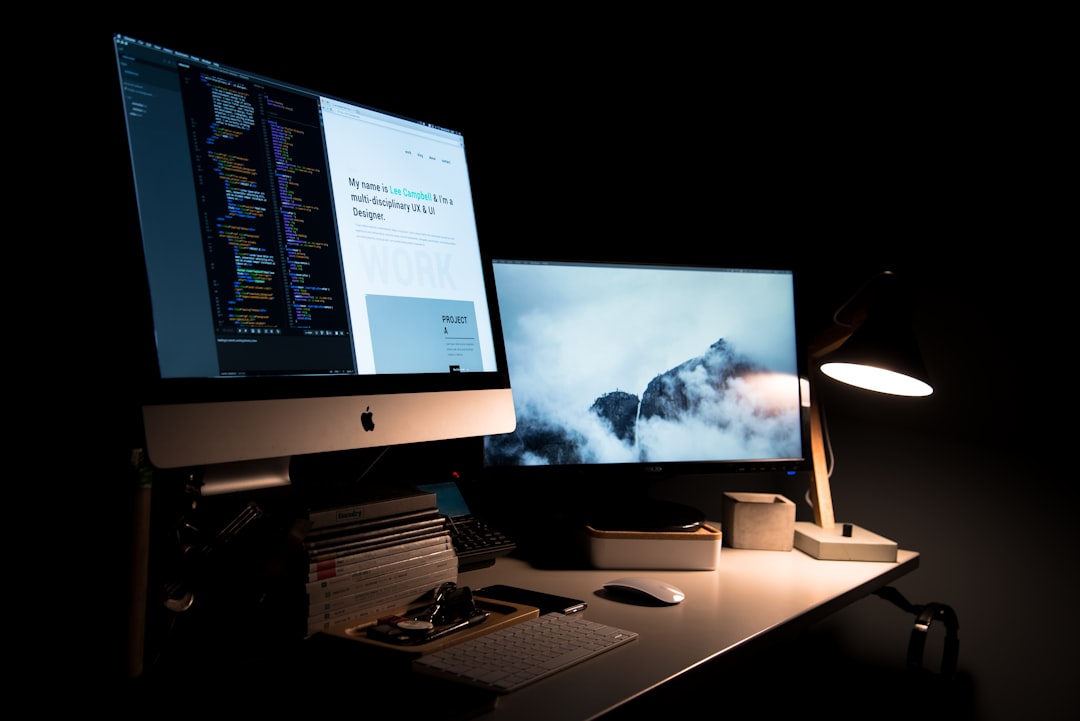
AI is no longer a novelty for background creation — it's a design partner that helps creators produce device-ready, audience-aligned backgrounds faster and with far less guesswork. This definitive guide explains how emerging AI technologies inform design choices, speed workflows, and increase audience engagement. We'll cover data signals, practical workflows, tools comparison, licensing, case studies and a ready-to-use implementation checklist so you can start producing efficient, beautiful backgrounds today.
Why AI Matters for Background Design
From art direction to data-driven choices
Historically, background design depended on intuition, trend scouting and manual testing. Today, AI augments intuition with quantifiable audience signals — from trending palettes on short-form video platforms to the micro-preferences of niche communities. When creators combine creative instincts with AI-driven preference modeling, backgrounds perform better because they reflect what audiences actually prefer rather than what designers assume.
Saving time while increasing output
AI speeds repetitive tasks: batch resizing, consistent color harmonization, and template adaptation for multiple devices. That frees creative time for higher-value tasks like storytelling and brand differentiation. Many creators report being able to produce multiples of their prior output while keeping aesthetic quality consistent.
Better alignment with platforms and behaviors
Each platform has different visual affordances. Short-form vertical content demands a different background feel than widescreen hero images. For practical guidance on leveraging platform trends for visual exposure, see our playbook on navigating the TikTok landscape, which illustrates how exposure and background choices are tightly linked.
How AI Learns Aesthetics: Signals, Models, and Bias
What data informs AI aesthetic suggestions?
AI models use a mix of aggregated engagement metrics, image features (color, texture, composition), textual metadata (hashtags, captions) and outcome data (click-through, shares). For creators exploring trend signals beyond visuals, trend-spotting frameworks like those used for product tech are useful — see how to spot platform-level trends in our piece on spotting trends.
Preference modeling and segmentation
Modern pipelines build audience segments (age, interest, region) and map aesthetic preferences to each. For instance, pastel gradients may perform well for Gen Z lifestyle feeds while textured organic surfaces work better for artisan craft audiences. Creating personas and feeding them to AI allows the generator to prioritize visual elements that resonate with those segments.
Bias, ethics and representational pitfalls
AI reflects the data it’s trained on. If training sets overrepresent certain aesthetics, the AI will recommend them disproportionately. Guardrails — diverse datasets, human review steps and transparent prompts — are essential. For creators who also collaborate with communities or craft cultural narratives, reading about memorialization and respectful storytelling (for example, celebrating legacy in craft) helps frame ethical choices.
Types of AI Tools for Background Creation
Generative image models (diffusion, GANs)
Diffusion models and GANs generate high-resolution imagery from prompts or seed images. They are ideal for creating original textures, dreamy gradients, and stylized scenes. When choosing, consider output resolution, prompt control and whether the tool supports iterative refinement.
Color and palette AI
Palette engines recommend color sets that maximize contrast and perceived brand alignment. These services analyze competitor palettes and trending palettes on social feeds to propose combinations that increase click-through rates. Use color-AI early in the pipeline to set a consistent visual language across background variations.
Layout and focal-point automation
AI tools can suggest composition and focal points optimized for safe-zone overlays (profile icons, captions, CTAs). This prevents subject cropping and ensures typography remains readable across devices. For physical product and interface crossovers, productized design guides (like those used in packaging or product controllers) demonstrate the value of compositional automation — compare innovation patterns in controller design for inspiration.
Real-world Case Studies
TikTok creator doubles background output with AI
A short-form video creator used AI to generate 30 variant backgrounds tailored to trending hashtags and sound moods each week. By testing variations and focusing on top-performing palettes, they doubled views per post in 60 days. For creators building exposure on TikTok, read our practical guide to navigating TikTok shopping which highlights how discoverability and background aesthetics interact with commerce features.
Photographer uses AI for marketable texture packs
A photography collective packaged AI-generated texture backgrounds into device-ready sets for creators. Their marketplace listings included sample mockups and device templates; engagement rose when they tied products to cultural moments and curated stories. This mirrors how visual storytelling elevates product appeal — see storytelling techniques in our piece on crafting artist biographies.
Brand campaign: audience-segmented backgrounds
A lifestyle brand used AI to create three background families mapped to customer segments. Each family featured a distinct texture and call-to-action safe zone. A/B tests found segment-specific backgrounds increased conversions by 18% compared to a single generic asset. Linking background design to fan psychology is similar to strategies used in audience-focused media coverage on fan loyalty.
Step-by-step Workflow: From Data to Production
Step 1 — Gather audience signals
Collect engagement data from your distribution platforms, comment sentiment, and competitor visuals. Social listening plus short-form trend analysis are helpful; if you want a hands-on look at how trends translate to visual exposure, our analysis of TikTok trend leverage is a practical reference.
Step 2 — Prototype with AI
Use generative models to create 8–12 prototypes per persona. Keep prompts consistent and iterate by modifying one variable at a time (color vs texture vs focal placement). Use palette AI to lock color families before running expensive high-res generations.
Step 3 — Test and optimize
Run controlled A/B tests across small audience segments and measure micro-metrics: watch time, overlay reads, and click-through. Iterate on the most sensitive variables. For lessons on connecting viral moments and community engagement to visual choices, see examples of viral fan dynamics in viral connections and the attention patterns they create.
Device Readiness and Automation
Batch resizing and aspect-aware crops
Automate exports for common aspect ratios (16:9, 9:16, 4:5, 1:1). Smart-crop AI preserves focal points when converting between ratios. Standardize output naming and include metadata for platform-optimized use.
Responsive textures and safe zones
Create textures that hold up under zoom and in low bandwidth contexts. Define safe zones for overlay elements so important details are never obscured. This is especially important if you plan to repurpose backgrounds across commerce placements; cross-functional briefs help align creative and product teams.
Template libraries and dynamic placeholders
Build templates with editable placeholders (logo, avatar, CTA). Use server-side rendering or client-side templates for automation when producing hundreds of variants. Collaborative approaches to shared creative spaces can be inspired by real estate-styled collaboration models — learn how communal spaces enable creators in collaborative community spaces.
Licensing, Copyright and Ethical Use of AI-Generated Backgrounds
Who owns AI-generated art?
Ownership depends on the tool's terms of service and the inputs used. Some platforms grant commercial rights automatically; others require licensing. Always check terms and maintain provenance records. High-profile disputes in creative industries highlight the stakes of rights management — see how rights and royalties become complex in music industry cases like legal disputes between collaborators and analysis of those battles in royalty rights debates.
Using training images and celebrity likenesses
Avoid training or prompting models with protected likenesses unless you have clearance. Where celebrity cultural touchpoints matter to your background's storytelling, consider licensing or commissioning bespoke photography and then stylizing with AI.
Best practices for marketplace sellers
When selling AI-generated backgrounds, include a clear license (commercial vs editorial), indicate allowed modifications, and disclose whether elements are AI-generated. Transparency reduces buyer risk and establishes trust in your listings — a principle echoed in creator commerce guides such as navigating TikTok commerce.
Measuring Engagement: Metrics that Matter
Primary metrics for background performance
Track click-through, view duration, overlay interactions and conversion lift. For visual-first platforms, measure micro-interactions: sticker taps, profile clicks and watch-completion. Use segmented cohorts to see which background families work for different audience slices.
A/B experimentation and multi-armed bandits
Use A/B tests for clear answers, then migrate to bandit algorithms for efficient continuous optimization. Start with small traffic splits to minimize risk and scale winning variants after statistical confidence is reached.
Qualitative feedback loops
Ask fans for feedback through polls and DMs and monitor comments for sentiment. Sometimes small qualitative signals reveal why a background performs — perhaps it evokes nostalgia or encourages sharing. For ideas on turning small cultural moments into design fuel, read how viral personalities and micro-audiences change the exposure game in viral sensation case studies.
Tool Comparison: Choosing the Right AI for Your Backgrounds
Below is a compact comparison to help you choose tools based on needs like control, speed, and output format. This table is intended as a practical shortlist — adapt it to the specific tools you evaluate.
| Tool Type | Best For | Control & Customization | Typical Output | Cost Considerations |
|---|---|---|---|---|
| Diffusion Generators (e.g., prompt-based) | Original textures and stylized scenes | High prompt control, iterative sampling | High-res images; needs upscaling for print | Pay-per-generate or subscription |
| GAN-based Image Editors | Style mixing and face/feature extrapolation | Latent-space sliders; moderate control | Seamless style blends, texture packs | Often platform-license; low per-use cost |
| Palette & Color AI | Quick brand-consistent palettes | High (color locking), low visual generation | Exportable palettes, CSS vars, swatches | Often freemium; enterprise for analytics |
| Layout & Crop Automation | Multi-aspect exports & safe zone enforcement | Template-based control | Device-ready exports and templates | Usually subscription; integrated with DAMs |
| Audience Analytics & Trend Engines | Mapping aesthetics to engagement | Data-driven TOOLS, requires integration | Dashboards; cultural insights | Tiered pricing; data fees possible |
Pro Tip: Start with a small, measurable hypothesis (e.g., “pastel backgrounds increase watch time by 10% for 18–24 viewers”), run constrained A/B tests and let AI tune secondary variables — avoid trying to optimize everything at once.
Implementation Checklist and Templates
Creator-ready checklist
- Define target audience personas and metrics. - Select an AI generator and palette engine. - Produce 8–12 prototypes per persona. - Run A/B tests on small cohorts. - Automate exports and name assets consistently. - Publish variants and track engagement weekly.
Template ideas to accelerate output
Create three template families: neutral utility (brand-agnostic), campaign-driven (seasonal/colors), and personality-driven (creator signature). Include editable placeholders for logos and CTAs so templates can be rebranded fast.
Collaboration and community inputs
Invite community critiques for co-creation. Genuine community insights can lead to subtle aesthetic pivots that widen appeal; this is similar to building communal creative ecosystems, as discussed in long-form community models like collaborative community spaces.
Advanced Strategies: Monetization and Productization
Packaging backgrounds as products
Bundle device-ready backgrounds with usage instructions, color variables, and editable templates. Consider tiers: free sample bundle, premium commercial pack, and enterprise licensing for brands. Packaging and storytelling raise perceived value; examples of narrative-driven productization exist in craft memorialization marketplaces (see memorializing craft).
Using background design to boost discoverability
Design backgrounds that encourage sharing — include subtle Easter eggs or seasonal motifs that fans tag. Tie background variants to trending moments to ride platform attention spikes; use our analysis on viral dynamics for guidance (viral connections).
Collaborations and licensing models
License collections to other creators, micro-influencers or brands. Establish clear terms: number of installs, commercial redistribution, and attribution. When referencing cultural or celebrity elements, be mindful of rights — legal disputes in creative industries underscore the need for clear contracts (context in music industry cases).
FAQ — Common Questions About AI Backgrounds
1. Can I sell AI-generated backgrounds commercially?
It depends on the tool's terms of service and whether protected content was used during generation. Always verify platform license terms and disclose AI usage to buyers. When in doubt, consult a rights specialist.
2. How do I ensure AI-created backgrounds are device-ready?
Define output aspect ratios, use smart-cropping tools, and create templates with safe zones. Automate batch exports to standard sizes for speed and consistency.
3. What metrics show a background is working?
Watch time, click-through rates, overlay interaction and conversion lift are primary indicators. Use segmented A/B tests to validate causality.
4. Will AI replace human designers?
No — AI assists design by handling repetitive and generative work. Human expertise in storytelling, composition judgment and brand nuance remains essential.
5. How can I avoid AI bias in aesthetic suggestions?
Diversify training data and include human-in-the-loop review. Encourage community input and audit outputs for representational fairness.
Final Thoughts and Next Steps for Creators
AI makes background creation more efficient and aligned with audience preferences when used responsibly. Start small: select a narrow hypothesis, generate prototypes, and test rigorously. As you scale, productize your winners into templates and licensed bundles to unlock revenue. For creators building exposure on emerging platforms, remember that visual choices are as much about cultural timing as they are about color and texture — practical approaches to platform-based discovery are covered in our practical TikTok guide (navigating the TikTok landscape) and commerce playbooks (navigating TikTok shopping).
If you want inspiration from adjacent creative industries, study how product designers iterate on controllers (controller design innovations) or how storytellers build emotional resonance (artist biography crafting).
Related Reading
- Arts and Culture Festivals to Attend in Sharjah - How festivals shape creative trends and offer inspiration for seasonal backgrounds.
- How to Create Your Own Wellness Retreat at Home - Use wellness design cues to inform calm background palettes and textures.
- Class 1 Railroads and Climate Strategy - Case study on aligning operations and long-term planning, useful for long-form product roadmaps.
- Navigating Health Podcasts - Lessons in sourcing trustworthy content and curating for audiences, relevant to creator credibility.
- The Power of Playlists - Use music-driven mood mapping to inform background mood and tempo decisions.