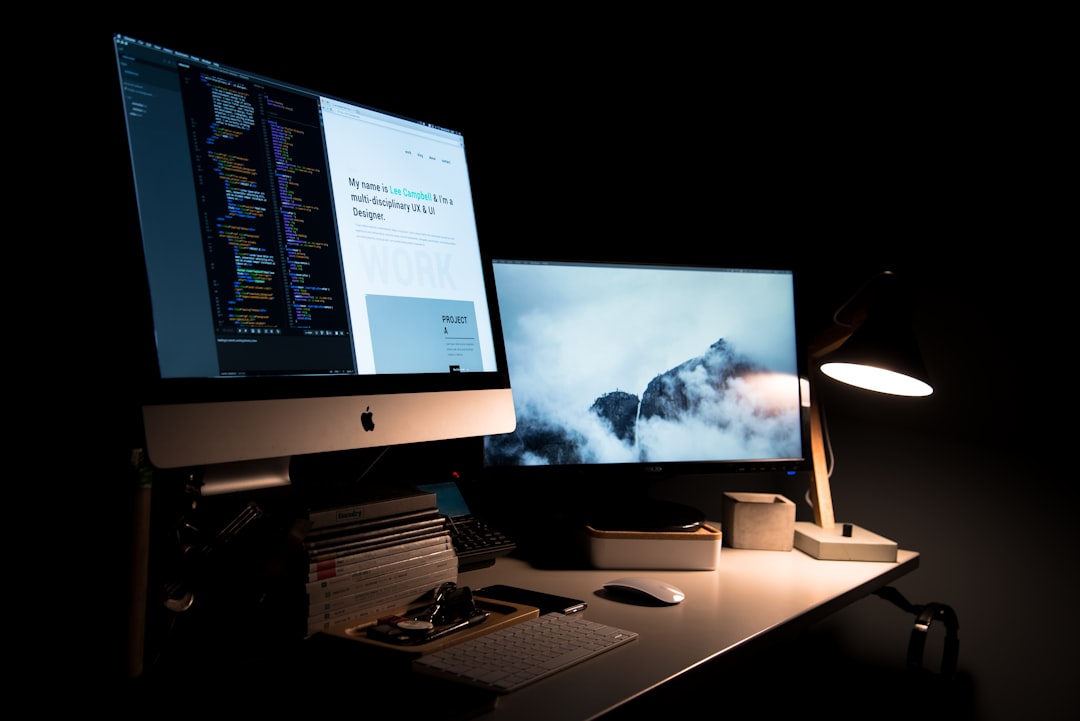
Mockup design is more than dropping a screenshot into a frame — it's storytelling. When you present background showcases in realistic environments, you invite clients to imagine the asset in their world: on devices, on walls, in editorial spreads or in lifestyle scenes. This guide is a practical, experience-driven roadmap for designers, illustrators and asset creators who want their portfolios to attract clients and win briefs through high-impact visual presentation.
1. Why Background-Driven Mockups Convert Better
Sell a use-case, not just an image
Beautiful backgrounds communicate how an asset will be used. Clients respond to context — a textured wallpaper shown on a living-room mockup sells differently than the same pattern shown floating on white. By crafting realistic environments you bridge imagination and reality, reducing buyer hesitation and increasing perceived value.
Emotional cues amplify decision-making
Color, light and composition cue emotions. When a mockup sets mood — cozy morning light, cinematic night cityscape, or clean minimalist desk — it tells a story. If you want to learn how narrative enhances engagement, look at case studies of storytelling in community work and award-winning formats like Through the Maker's Lens: Capturing Artisan Stories in Art, where atmosphere connects audience and creator.
Context improves trust and reduces support friction
Clients buy with confidence when they see an asset working across scenarios: mobile, desktop, print, and apparel. Showing multiple contextual mockups reduces back-and-forth, and positions you as a problem-solver rather than a file-sender. That trust builds long-term relationships and can be linked to transparent processes, an idea explored in our guide to navigating agency transparency for clients and agencies.
2. Plan Like a Director: Prepping a Mockup Shoot
Define the client avatar and use-cases
Start by asking: who will use this background and where? A social media manager needs square and short vertical compositions; a magazine art director needs high-res print-ready files. Create a short brief for each mockup variant that lists platform, aspect ratios, and brand constraints. This stage mirrors the way content teams keep content relevant during industry shifts, as in Navigating Industry Shifts.
Choose the moodboard and props
Collect references for lighting, textures and props. Moodboards accelerate decision-making and keep the shoot consistent. Look for inspiration in cross-disciplinary work — even music and stage design can teach composition; see discussions about how global musicals influence local communities for atmosphere cues (Bridging Cultures).
Technical checklist
Decide resolution, color profile and output formats up front. For digital assets aim for at least 3000px on the longest edge and supply layered PSD/FIG files plus flattened web-ready JPGs and PNGs. When shoots involve people or identifiable places, confirm releases and rights using the processes recommended in reputable industry transparency guides such as agency transparency.
3. Choosing Backgrounds: Mood, Scale and Narrative
Mood-first selection
Pick backgrounds by mood before color. A texture may read warm or cool depending on lighting and color grading. For example, the same brick wall photographed in golden-hour light reads inviting; under flat noon light it reads urban and gritty. Tie your mood choices to client goals and platform conventions to increase relevance.
Scale and pattern repeat
Large-scale motifs can overpower small-screen previews. Test patterns at the smallest platform size your client needs. When creating repeatable patterns, include seamless tiles and scaled variants. Designers obsessed with logo and pattern treatment should review trends in art-inspired logo trends for ideas on reflective design elements and scale.
Layering for realism
Layer foregrounds and midgrounds: a desk surface, a cup, a phone with the background, and a subtle ambient shadow. Layer compositing makes mockups read as real. Tools and techniques for immersive worlds are evolving fast; you can extend realism with modern 3D AI tools like Google's new 3D AI to build believable spatial scenes.
4. Tools & Software: From Photoshop to AI
Traditional toolchain
Photoshop and Affinity Photo remain essential for compositing, masking and color grading. Mastering Smart Objects and Layer Styles accelerates creating editable templates. If you need repeatable export workflows, set up Actions (Photoshop) or Macros (Affinity) to batch-generate device-ready sizes and color variants.
3D and renderer workflows
Blender, Cinema 4D and KeyShot let you craft physical lighting and camera perspectives that are hard to fake with 2D compositing. When your backgrounds need believable depth and reflections, render the scene and composite the asset in post. These approaches are increasingly relevant as immersive creation evolves, aligning with how creators are already harnessing AI strategies for 2026 (Harnessing AI: Strategies for Content Creators).
AI-assisted generation
Generative models can create scene variations quickly, but you must refine outputs for compositional logic and perspective. Combine AI-generated backplates with real photographed props to avoid uncanny results. Explore the new AI features in mainstream tools — for example, platform integrations like Siri's AI features are affecting workflow automation and asset organization (Harnessing the Power of AI with Siri).
Pro Tip: Use AI for iteration speed, not final polish. Generate 8-12 scene options, then pick the top 2 to finalize with manual compositing and color grading.
5. Technical Setup: Lighting, Color, and Device-Ready Exports
Color management and profiles
Work in a consistent color space (Adobe RGB or sRGB depending on output). Convert to the target profile just before export to avoid surprises. For print deliverables include CMYK proofs. Maintain embedded profiles to preserve color fidelity across client devices and print houses.
Lighting for realism
Use soft, directional key lighting and practicals to sell the scene. To create believable shadows on devices, pay attention to shadow softness and occlusion. Even small adjustments—matching shadow angles and intensity—can dramatically increase perceived realism.
Export checklist
Supply multiple aspect ratios and smart-object sources so clients can reframe assets. For web, provide WebP and optimized JPGs; for mobile, include @1x, @2x and @3x PNGs. Offer layered source files (PSD/FIG) plus flattened previews to speed client approvals and downstream use.
6. Real-World Case Studies & Portfolio Examples
Case study: A pattern designer who tripled inquiries
A freelance pattern artist swapped flat previews for lifestyle mockups showing their patterns on bedding, wallpaper and an app UI. The narrative approach — showing the pattern in situ — doubled perceived professionalism and tripled inquiries. This mirrors techniques used in compelling storytelling and community engagement frameworks in other creative fields (Harnessing the Power of Award-Winning Stories).
Case study: Licensing clarity increased conversions
One marketplace seller added clear license labels and example use-cases to each mockup image. The transparency reduced pre-sale questions and helped enterprise clients onboard faster. If you want to understand rights and trust in digital media, reviewing resources on deepfake protection and rights is instructive (The Fight Against Deepfake Abuse).
Media client: editorial mockups that sell stories
A designer working with editorial clients used cinematic, music-inspired backdrops linked to narratives that editors were running. The result: quicker approvals and repeat commissions. Cross-disciplinary inspiration—like how composers rework film legacy—can inform mood choices; read about Hans Zimmer's approach for creative reinterpretation (How Hans Zimmer Aims to Breathe New Life).
7. Showcase Strategies: Portfolio, Marketplace and Client Attraction
Curate with intent
A portfolio should act like a boutique: show fewer, perfectly curated scenes that demonstrate range and depth. Group work by vertical (apps, editorial, packaging) and highlight the business outcome for each piece — e.g., reduced revision time, faster approvals, or increased engagement metrics.
Create landing pages that sell scenarios
Rather than only gallery thumbnails, build narrative landing pages that show an asset used across situations. Use headlines that speak to client pain points and include technical specs and licensing options. Techniques used in award-winning journalism to create highlights and matter are directly transferable to structuring convincing portfolio pages (Creating Highlights that Matter).
Leverage live demos and streaming
Live streaming a mockup walkthrough builds credibility and invites live feedback. This practice borrows from live streaming approaches used in commentary and community-facing content; see lessons on stream-based engagement in Leveraging Live Streaming for Political Commentary for ideas on moderating live feedback and handling sensitive topics.
8. Licensing, Legal Considerations and Trust
Clear, simple licenses win enterprise clients
Provide clear license tiers: personal, commercial, extended/commercial+redistribution. Examples of clarity in other sectors show how transparency reduces negotiation friction; approaches to transparency in agencies provide a model (Navigating Agency Transparency).
Model releases, property releases and privacy
When using photographed environments with people or identifiable locations, secure releases. Keep organized records and attach release metadata to the asset. This step is essential to avoid disputes and to reassure enterprise legal teams.
Sensitivity and authenticity
Mockups that reference cultural motifs should be respectful and informed. Learn from guides about bridging cultures and respecting local narratives when presenting culturally specific scenes (Bridging Cultures).
9. Monetizing Backgrounds and Mockup Packs
Productizing variants
Create packs with the same background across contexts: web hero, mobile wallpaper, print-ready repeat. Buyers appreciate immediate value: include usage examples, layered files and a short tutorial GIF showing how to swap assets into a mockup. This productized approach mirrors strategies used by digital marketplaces and creators harnessing AI tools to scale offers (Harnessing AI).
Licensing tiers and add-ons
Sell add-ons: commercial licenses, extended device bundles, and custom colorway services. Consider limited edition packs and seasonal releases to create urgency. NFT and collectible mechanics have influenced digital asset monetization trends; read about evolving game design economics for ideas on scarcity and ownership models (Evolving Game Design).
Marketplace positioning
List clear search-friendly tags and craft thumbnails that show the asset in context. Marketplaces reward assets that convert; analytics can show which mockups drive clicks, which helps you refine thumbnails and preview images. If you want to explore how product experiences affect customer decisions, look at hospitality and onboard experience comparisons for cross-industry lessons (Where to Find the Best Onboard Experience).
10. Advanced Techniques: 3D, AR and Accessibility
3D scene capture and photogrammetry
Photogrammetry can produce highly realistic backplates for mockups.Capture a space in multiple exposures, generate a textured mesh and render different lighting scenarios. This technique gives clients a genuine sense of volume and texture when integrated into 3D mockups.
AR previews for clients
Offering AR previews — letting clients place your background in their real space through mobile — increases conversions. Tools that generate AR experiences are becoming more accessible and tie directly into modern content strategies and AI features; check discussions about practical AI tools in travel and creative planning (Budget-Friendly Coastal Trips Using AI Tools).
Inclusive design and accessibility
Ensure mockups consider accessibility: contrast for text overlays, alternative text and screen-reader friendly metadata. Accessible mockups broaden your client base and demonstrate professional rigor. For wider creative energy and sustaining your craft, resources on creative wellbeing and finding your artistic voice can be surprisingly useful (Finding Your Artistic Voice).
11. Workflow Templates, Testing and Optimization
Building reusable templates
Templates speed delivery and maintain consistency. Create master PSD/FIG templates with placeholders, grid guides and export actions. Whenever possible, supply clients with editable mockups that are easy to update — this reduces revision cycles and positions you as collaborative and client-friendly.
A/B testing mockups for conversions
Test different hero mockups in social ads and landing pages to learn which environments drive clicks and sales. Small changes in background brightness, angle, or prop presence can move performance metrics. Use the data to iterate your portfolio and thumbnails; this data-led approach aligns with best practices used by content teams facing changing formats (Navigating Change in Digital Content).
Feedback loops and client education
Create a short guide that accompanies each mockup pack: explain ideal use-cases, color customizations and how to export for different platforms. Educating clients reduces friction and increases perceived expertise, much like how journalists and creatives sharpen narratives to matter (Creating Highlights that Matter).
12. Conclusion: Presenting Work That Pulls Clients In
Mockups that showcase backgrounds in realistic scenes are magnetic. They differentiate your portfolio, reduce friction in sales conversations, and increase perceived value. Use a mix of traditional compositing, 3D, and AI where appropriate, remain transparent about licenses and rights, and always tie visual choices to client outcomes. If you want inspiration from cross-disciplinary angles, explore how musical and cinematic work reframe expectations for atmosphere and narrative (Hans Zimmer's creative approach) or how community storytelling elevates maker profiles (Through the Maker's Lens).
FAQ — Common Questions About Mockups & Background Scenes
1. What resolution should I deliver for web and print?
Deliver web assets at optimized resolutions (1200–2000px wide for hero images, using WebP/JPG) and supply layered PSD/FIG files at 300–600 DPI with the longest edge at least 3000px for print. Include @1x/@2x/@3x variants for mobile apps. Always embed color profiles.
2. Can I use AI-generated backgrounds commercially?
It depends on the tool and its license. Some AI tools allow commercial use; others restrict it. Keep records of prompts and check the tool’s Terms of Use. For legal clarity on emerging rights issues, review resources like The Fight Against Deepfake Abuse which cover rights and digital legality trends.
3. How many mockup variations should I include in a pack?
A standard pack should include 8–12 high-quality variations: multiple aspect ratios, 2–3 colorways, layered source files and a short usage guide. Add extras like AR previews or extended licenses as upsells.
4. What’s the fastest way to produce realistic shadowing?
Use soft directional lighting in your renders or photographs and add occlusion maps in compositing. For speed, create a shadow library of PNG overlays tuned to common device angles and sizes; this saves time and keeps shadows consistent.
5. How do I price my mockup and background bundles?
Price based on value, not time. Consider tiers: hobby use, commercial use and extended/enterprise licenses. Market research and A/B testing across marketplaces will reveal optimal price points. You can borrow tactics from digital product launches and scarcity models explored in NFT/collectible discussions (Evolving Game Design).
Mockup Methods Comparison
| Method | Realism | Speed | Cost | Best for |
|---|---|---|---|---|
| Staged photography | High | Medium | Medium–High | Lifestyle, high-touch branding |
| Photoshop compositing | High (with skill) | Medium | Low–Medium | Quick edits, layered templates |
| 3D renders | Very High | Slow | Medium–High | Reflections, accurate lighting |
| AI-generated scenes | Variable | Fast | Low–Medium | Rapid ideation, concepting |
| AR previews | High (interactive) | Medium | Medium | Client demos, sales conversion |
Pro Tip: Combine methods — use AI to ideate, 3D to refine perspective, and staged photography for final tactile cues.
Related Reading
- Harnessing AI: Strategies for Content Creators in 2026 - Practical AI workflows to speed creative iteration.
- Creating Immersive Worlds: Google's New 3D AI - How 3D AI changes scene building for creators.
- Art-Inspired Logo Trends - Inspiration for pattern and reflective design elements.
- Creating Highlights That Matter - Structure design work like award-winning journalism.
- Through the Maker's Lens - How narrative and context elevate maker portfolios.