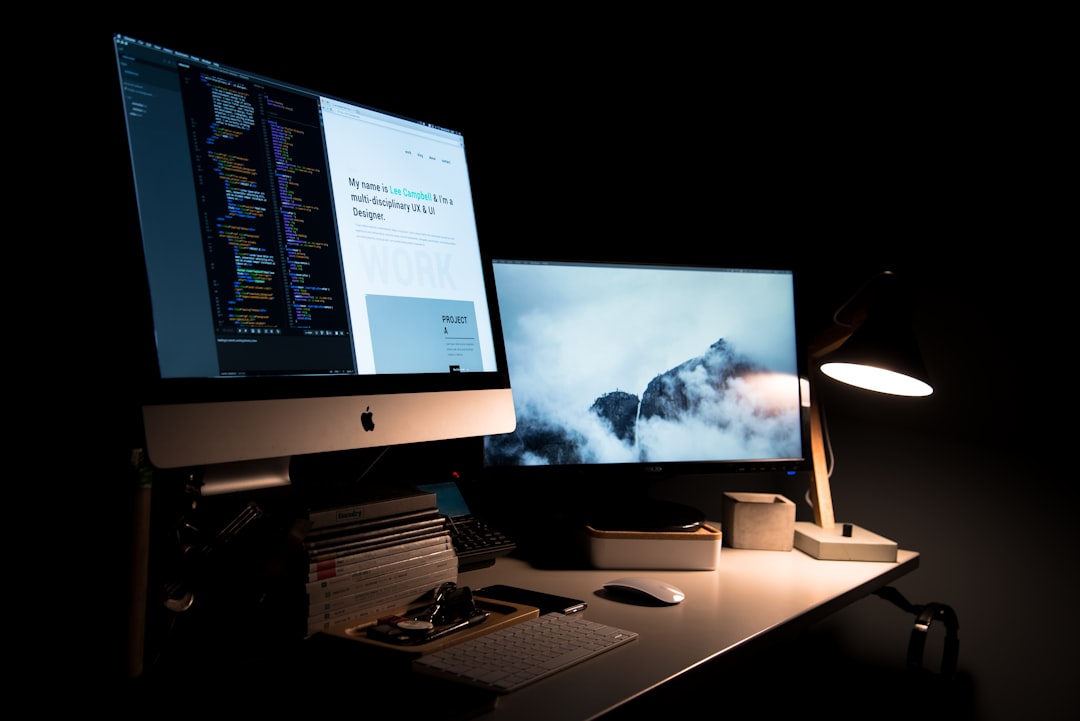
Stop struggling with thumbnails: get CES 2026 vibes that convert
As a tech reviewer or creator, you know the pain: hunting for high-res backgrounds that look modern, match the product mood, and work across YouTube, TikTok, and device mockups—then wasting hours resizing and worrying about licensing. The CES 2026 wave of neon gradients, AR HUD demos, RGBIC smart lamps, and ultra-compact micro speakers gives you a clear visual language to use. This guide curates CES-inspired futuristic background packs—neon gradients, HUD overlays, product demo stages, smart-lamp ambience, and micro speaker promos—so you can build thumbnails and promos faster, smarter, and legally.
Why CES 2026 matters for tech backgrounds
CES 2026 shifted how consumers expect tech to look on-screen. Late 2025 product announcements and the Las Vegas show emphasized:
- Neon gradients and saturated ambient lighting (RGBIC lamp demos popularized consumer-level dynamic lighting at lower price points).
- HUD-style overlays for AR/automotive demos—clear data layers, reticles, and animated telemetry that frame hardware features.
- Minimal demo stages with clean shadows and stage lights that highlight texture and scale—perfect for product close-ups and thumbnails.
- Micro audio and wearable promos where macro close-ups and bokeh backgrounds sell size and portability.
For reviewers, that means you can borrow CES visual cues to boost perceived production value. Use these packs to match the product narrative—ambient neon for lifestyle gadgets, HUD overlays for AR/VR and automotive, and crisp demo stages for cameras and micro speakers.
What’s in the CES-Inspired Pack (overview)
Each curated pack below includes:
- High-resolution base backgrounds (4K PNG and layered PSD/Figma files)
- Device-specific exports (YouTube, TikTok, Instagram, thumbnail templates)
- HUD overlay sets (SVG and transparent PNG with animation guides)
- Color palettes and CSS snippets for creators who build landing pages or stream overlays
- Clear licensing (commercial use, editorial examples, and a simple EULA)
The curated collections (mood-driven packs)
1. Neon Gradients — "Studio Night"
Mood: energetic, premium, lifestyle. Ideal for smart lamps, headphones, and lifestyle tech.
- Assets: 8 gradient textures (4K), three soft-bokeh overlays, color-matched vignette layers, exported device packs (landscape and portrait).
- Suggested palettes (hex): #0F0C29 → #302B63 (deep indigo), #FF00A1 → #FF7AC6 (magenta to rose), #00FFD1 → #00A3FF (teal to electric blue).
- Use case: Place a smart lamp in a mid-left frame, keep 30% gradient brightness behind the bulb to mimic ambient glow. Combine with a subtle bloom layer at 12% opacity.
2. HUD Overlay Set — "Data Layer"
Mood: technical, informative. Best for AR/VR reviews, automotive HUD demos, and chipset explainers.
- Assets: SVG reticles, animated Lottie telemetry files, translucent panel PNGs, guide PSD with labeled layers for speed editing.
- Practical tips: Use multiply or screen blending modes to integrate HUD elements with your background. Keep HUD opacity between 45–70% to avoid overpowering the subject.
- Accessibility: provide a high-contrast HUD variant for viewers with low vision and a reduced-motion Lottie for accessibility settings.
3. Product Demo Stages — "Showfloor"
Mood: professional, tactile. For close-ups of devices—phones, cameras, speakers.
- Assets: 6 stage backdrops with directional rim lighting, floor reflections, soft shadows; mock floor grids to show scale; product-masking PSDs for quick insertion.
- Composition guide: Use a 3-point lighting mock in your layers—key, fill (soft), and rim. Keep a shadow layer under the product to anchor it to the stage.
4. Smart Lamp Vibe — "RGBIC Glow"
Mood: cozy, immersive. Inspired by Govee’s RGBIC demos that dominated early 2026 coverage.
- Assets: Dynamic glow maps, color-cycle presets (sRGB), animated .mp4 loop files that can be used as stream backgrounds or YouTube intros.
- How to use: Layer an RGBIC glow behind or beside a product to simulate realistic lamp lighting. Export a masked alpha video for overlay in Premiere or OBS.
5. Micro Speaker Promo — "Pocket Bass"
Mood: punchy, compact. Tailored to micro speakers and portable audio revealed heavily at CES 2026.
- Assets: Macro texture plates, depth-of-field bokeh, low-angle stage backgrounds, animated equalizer overlays for short-form clips.
- Thumbnail trick: Use an ultra-close crop of the speaker grill with a neon rim light and a bold headline; add a subtle burst behind to imply power despite size.
Device packs and platform-ready sizes
Every pack includes exports optimized for the common platforms. Save time by keeping these export presets in your workflow:
- YouTube thumbnail: 1280 x 720 px (min), 16:9 — export PNG, sRGB, 72–150 PPI.
- YouTube channel art / video background: 2560 x 1440 px — keep safe text and logos within 1546 x 423 center area.
- Instagram post: 1080 x 1080 px (1:1) and portrait 1080 x 1350 px — export high-detail JPG.
- Instagram story / TikTok / Reels: 1080 x 1920 px, ensure crucial content is within the central 1080 x 1420 "safe zone."
- Twitter/X card: 1200 x 675 px (16:9)
- Device mockups: provide layered PSDs at 4K (3840 x 2160) and vector-ready SVGs for responsive sites.
Export tips: sRGB color profile for web, PNG for transparency, convert Lottie or alpha-video for animated overlays, and keep a lossless master (PSD/TIFF) in your asset folder.
Practical workflows — from download to upload (step-by-step)
- Pick the mood: Match the pack to the product narrative—ambient for lifestyle, HUD for technical deep dives, stage for hands-on demos.
- Choose aspect ratio: Start with the platform you publish to most. Create a 4K master and crop/export to platform presets—this preserves quality and makes later edits faster.
- Insert device: Use provided mask layers or smart objects (Photoshop) to drop your product photo in seconds. For video, use alpha overlays or premade Lottie HUD layers in Premiere/After Effects.
- Polish: Add depth—drop shadow, subtle vignette, and one color grade LUT to unify foreground and background. Keep the subject contrast high so thumbnails read at small sizes.
- Export variants: Produce a thumbnail, a short 1080p loop (4–8s) for social, and a transparent overlay for streams. Name files consistently: product_pack_platform_variant_v1.png.
HUD overlay best practices
- Keep telemetry concise—don’t clutter. Use 3–5 data elements maximum for a clean look.
- Use subtle motion easing for attention but respect reduced-motion preferences on web video.
- Color-code elements: teal for status, amber for warnings, magenta or electric blue for highlights (consistent with your palette).
- Provide both light and dark HUD versions and a monochrome high-contrast option for accessibility.
Licensing and legal clarity (what reviewers need to know)
Licensing confusion slows creators down. Include a simple, plain-language license with each pack. Key points to require in your EULA:
- Commercial use allowed: thumbnails, review videos, branded content OK.
- No resale of the raw assets: buyers cannot redistribute the pack as-is (allow resale of derivative work—e.g., a thumbnail or branded video).
- Model/product releases: backgrounds are generic—if you place a brand logo or product image, ensure you own rights or have permission when used commercially.
- Attribution: optional for paid packs; required for free/community packs—include a short snippet to copy/paste for video descriptions.
Include usage examples in the license: "Allowed: YouTube thumbnail for a review you monetize." "Not allowed: reselling background PNG files in a competitor asset pack." That removes buyer uncertainty and increases conversions.
Monetization and discoverability strategies
To sell or promote background packs, treat them like products: strong thumbnails, clear keywords, and social proof.
- Listing SEO: use long-tail keywords—"CES 2026 tech backgrounds," "neon gradient thumbnail pack," "HUD overlay for tech reviewers."
- Preview GIFs: show a 5-second loop of animated HUDs and RGBIC glow—motion sells pack utility.
- Bundles: sell device-specific bundles (YouTubers bundle = stage + neon gradient + HUD) at a small discount.
- Freebie funnel: offer one free thumbnail template in exchange for email—use it to showcase the pack’s polish and collect leads.
- Metadata & tagging: add tags like CES 2026, neon gradients, HUD overlay, review thumbnails, smart lamp vibe, micro speaker promo to improve marketplace discoverability.
Advanced strategies & 2026 predictions
Where should creators invest in 2026?
- Dynamic, generative variations: Expect buyers to prefer packs that include generative-AI variations (multiple colorways and compositions generated from seed prompts). Offer a "variation pack" in 2026 (toolchains and automation help here).
- AR-ready assets: As AR demos proliferated at CES, creators will need depth maps and normal maps so backgrounds look natural when used in AR mockups (platform-ready tooling matters).
- Interactive HUDs: Deliver Lottie or WebGL-ready overlays for interactive explainer pages—these are more engaging than static PNGs.
- Micro-format assets: With short-form video dominating, include vertical-optimized animated loops and 1:1 micro thumbnails for in-feed performance (see micro-launch tactics).
"Design like you’re on camera every time." Use lighting and HUD elements that anticipate where eyes land in a small thumbnail—face or product center is your prime real estate.
Case study: turning backgrounds into better CTR
Alex, a full-time tech reviewer, swapped generic studio shots for a CES-inspired pack: neon gradient + subtle HUD and a rim-lit product demo stage. He standardized his workflow—4K master → platform exports → three thumbnail variations A/B tested. Within two weeks he stopped guessing titles and focused on consistent visual branding. The key takeaway: consistent, trend-aligned backgrounds reduce friction and make thumbnails more clickable across platforms.
Quick checklist before upload
- Is the subject readable at 256px width? (Thumbnail test)
- Are foreground and background color-contrast accessible? (Use WCAG contrast check)
- Are HUDs set to reduced-motion-friendly versions?
- Do you have proper licensing for any logos or models in your composition?
- Have you exported platform-specific sizes and named them clearly?
Tools and templates to speed production
- Photoshop Smart Objects and actions for one-click template updates.
- Figma components and Auto Layout for responsive thumbnails and banners.
- Premiere/After Effects templates with alpha HUD overlays and animated LUTs.
- OBS scenes with imported alpha loops for live streams and shorts.
- Lightweight CSS variables and SVG sprite for web HUDs—easy to drop into review sites.
Final thoughts and call-to-action
CES 2026 gave creators a visual toolkit: neon ambience, polished demo stages, and functional HUD overlays. Using mood-driven packs tailored to these trends saves time, improves thumbnail performance, and keeps your channel visually current. Whether you’re highlighting a smart lamp’s color modes or selling the punch of a new micro speaker, these curated assets turn technical features into compelling visuals.
Ready to stress-free thumbnails and promos? Download the CES-Inspired Futuristic Background Packs, get platform-ready exports, and a simple commercial license—start producing higher-impact reviews today.
Download the packs, test one thumbnail A/B, and tell us which style lifts your CTR most—grab the pack and get a pro thumbnail template free.
Related Reading
- The New Power Stack for Creators in 2026: Toolchains That Scale
- Streamer Workstations 2026: Smart Lighting, Desk Mats, and Focus Strategies
- Practical Playbook: Building Low‑Latency Live Streams on VideoTool Cloud
- Micro-Launch Playbook 2026: Microcations, Pop‑Ups and Live Monetization
- Roundup: Tools to Monetize Photo Drops and Memberships (Creator Playbook)
- Should the ICC Move to a Four-Year Cycle? What AFCON’s Scheduling Shift Reveals
- The Boutique Comic Shop Playbook: How Local Retailers Can Ride Transmedia Waves
- Aftermarket Brake Upgrades for High‑Speed E‑Scooters: What Works When You Hit 50 MPH
- Microwavable Warmers vs. Hot-Water Bottles: What’s Best for Keeping Puppies Cozy?
- Warm & Cozy: The Best Hot-Water Bottle Alternatives for Kids, Teens and Pets